Mailchimp
Not subscribed to OpsMatters Newsletter


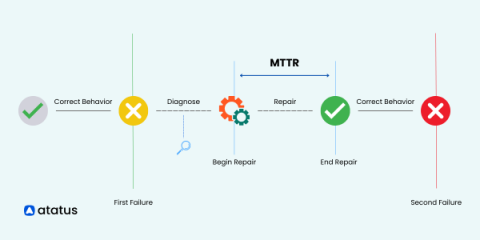
In the fast-paced world of software development, every minute counts. When disruptions occur, whether there are minor or major system failures, organizations need to bounce back to maintain seamless operations. That's where MTTR (Mean Time to Repair) steps onto the stage as a game-changing metric. Are you ready to unlock the secrets behind reducing downtime, boosting performance, and ensuring software reliability?
PHP is a powerful language used by at least 80% of all the applications you use today as their backend scripting language. This can be attributed to its relatively simpler syntax, which is on the same line as other C-style languages. It supports different operating systems (Windows, Linux, macOS), web servers, databases and integrates seamlessly with popular databases like MySQL, PostgreSQL, and Oracle, making it a suitable choice for database-driven applications.
The modern factory’s relationship with data is experiencing a major change. Data now shapes the future rather than only telling the story of the past. The language inside the factory sounds like higher Overall Equipment Effectiveness (OEE) as the result of a shift from preventive to predictive maintenance. It could also look like expanding business goals to a new market based on impactful data-driven decisions. A change in purpose requires an update in technology.
Are you tired of dealing with IT incidents that seem to pop up at the worst possible times? Do you find yourself struggling to keep track of all the moving pieces involved in resolving incidents? If so, it’s time to revitalize your incident management strategy. In this article, we’ll explore the key pillars of incident process management, best practices, and how technology can help streamline your process.
IT-Incident Management - a hot topic and more important than ever in the digital age. Companies are increasingly relying on technology to maintain their operations, as any downtime can have catastrophic consequences. On average, one minute of downtime costs $9,000. Therefore, an efficient and especially organization-specific incident management system is essential. However, there are many components and options in incident management, so what software stack should you use?
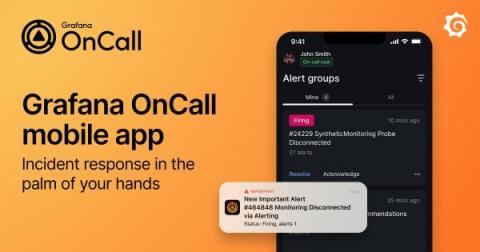
We’ve all been there: Sleeping peacefully in bed over the weekend, finally getting rest after a long week at your computer making AI-generated memes writing code. Then at 3 a.m., your phone makes an ungodly sound, and you wake up startled, frazzled, and confused. When you finally type in your passcode to unlock your phone (because facial recognition doesn’t register your bleary-eyed, squinty face), you see an alert, and all dreams of sleep are over.
The adoption of software-defined wide area network (SD-WAN) technologies continues to pick up pace. By employing SD-WAN technologies, organizations have the potential to realize a range of advantages. Teams can achieve better performance while using lower cost, using commercially-available technologies. For example, teams can use public internet services rather than more expensive private WAN technologies, such as MPLS.
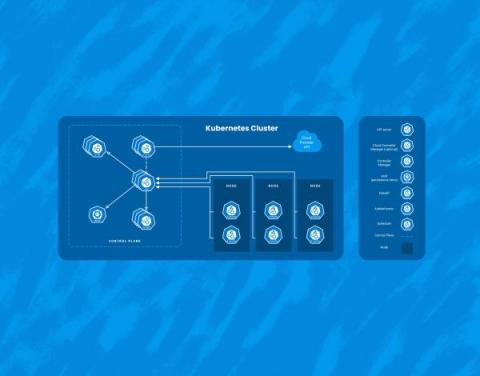
While Kubernetes comes with a number of benefits, it’s yet another piece of infrastructure that needs to be managed. Here, I’ll talk about three interesting ways that Honeycomb uses Honeycomb to get insight into our Kubernetes clusters. It’s worth calling out that we at Honeycomb use Amazon EKS to manage the control plane of our cluster, so this document will focus on monitoring Kubernetes as a consumer of a managed service.