Mailchimp
Not subscribed to OpsMatters Newsletter


The latest versions of Elastic Observability’s most popular observability integrations now use the storage cost-efficient time series index mode for metrics by default. Kubernetes, Nginx, System, AWS, Azure, RabbitMQ, Redis, and more popular Elastic Observability integrations are time series data stream (TSDS) enabled integrations.
Elastic Search 8.9 introduces hybrid search with Reciprocal Rank Fusion (RRF) to combine vector, keyword, and semantic techniques for better results. This release also brings performance improvements in vector search and ingestion with response times that are up to 30%+ faster. Users also have more ingestion options with the new SharePoint Online connector, which includes document-level security.
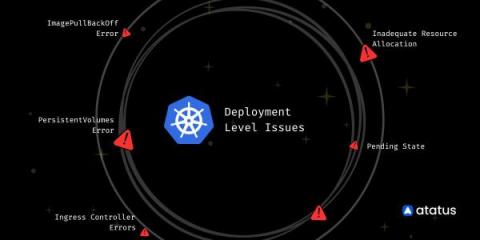
Kubernetes has emerged as the de facto standard for container orchestration, with its ability to automate deployment, scaling, and management of containerized applications. However, even with the best practices and expertise, Kubernetes deployment can sometimes be a complex and challenging process. It involves multiple layers of infrastructure, including the application, Kubernetes cluster, nodes, network, and storage, and each layer can have its own set of issues and challenges.
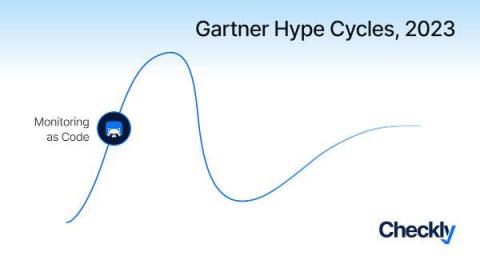
I’m thrilled to announce that Gartner added Monitoring as Code (MaC) as an emerging practice into their Hype Cycles for Monitoring and Observability and Site Reliability Engineering. We are extremely hyped about this recognition and being listed as a vendor innovating in that space. Since we founded Checkly, our vision has been that monitoring should be set up as code and live in your repository; it must be open-source based and feel natural for developers.
In this article, we’ll cover our newest feature- Microsoft Teams notifications! We’ll walk you through how to set it up, and we’ll take a look at why we are constantly making the MetricFire experience better.
In today’s fast-paced and ever-evolving world of technology, failure is inevitable. Organizations should embrace failure as a learning opportunity for how to build and deliver more resilient services. At PagerDuty, we’ve practiced Failure Friday for 10 years now. Failure Friday–a practice inspired by the chaos engineering space–involves intentionally injecting failures into our systems to improve reliability and foster a proactive engineering culture.