Operations | Monitoring | ITSM | DevOps | Cloud

Data Security Management and Control 101: What Is Data Loss Prevention?

Companies and businesses of all sizes collect and save all types of data. This data can be valuable to others if it were to be leaked outside the business. Data security management and control using the right data loss prevention (DLP) solutions are necessary to protect this and other types of data. So, what exactly is DLP? In general, DLP consists of the tools, apps, and other data loss prevention techniques businesses implement to keep their data safe and secure.
The Importance of Communicating Scheduled Maintenance to End-Users

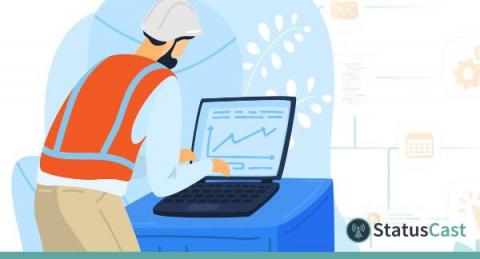
Often, outages are planned. In fact, in most organizations, outages are typically not caused by something going wrong, but because some kind of IT operation requires your team to take a system temporarily offline. Communicating scheduled maintenance is just as important, if not more important than alerting users to unplanned outages.

InfluxDB Cloud extends to Microsoft Azure Cloud - now available on all major cloud platforms

SAN FRANCISCO — July 22, 2020 — InfluxData, creator of the time series database InfluxDB, today announced that InfluxDB Cloud is now available on Microsoft Azure, furthering the company’s commitment to increase accessibility to developers. With this announcement, InfluxDB Cloud is now live on all three major cloud platforms — Microsoft Azure, Google Cloud and Amazon Web Services.

The New Normal: Organizations Need Security Leaders More Than Ever

The world is changing at a pace not seen in modern history. Security leaders, including chief information security officers (CISOs), face new security challenges as well as opportunities. As COVID-19 drives workers to look for new ways to live and work, organizations must be proactive. The ‘new normal’ may seem scary at first, but savvy CISOs who see beyond tactical changes to the threat landscape can capitalize on opportunities.

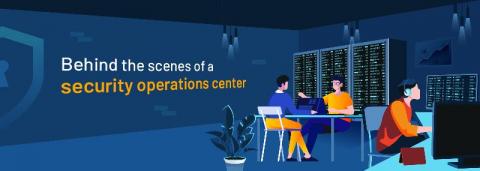
Security operations center, Part 1: The guardian of your organization

Hackers arm themselves with the latest technologies, employ different techniques, and try to exploit all possible vulnerabilities in the security of an organization. With these tools under their belt, hackers will persist until they get what they want. To stay one step ahead of hackers and remain up to date on cutting-edge technologies, your organization needs a dedicated team whose main objective is to detect and stop cyberattacks that threaten it.

Best practices for maintaining end-to-end tests

In Part 1, we looked at some best practices for getting started with creating effective test suites for critical application workflows. In this post, we’ll walk through best practices for making test suites easier to maintain over time, including: We’ll also show how Datadog can help you easily adhere to these best practices to keep test suites maintainable while ensuring a smooth troubleshooting experience for your team.

Puppet Enterprise new release offers powerful orchestration and more

As the industry leader in the DevOps space, we’re excited to share recent updates to the Puppet Enterprise platform that give infrastructure operations teams the flexibility to manage and automate more infrastructure and complex workflows in a simple yet powerful way.

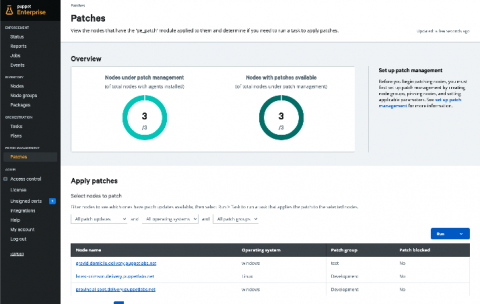
Standardize and automate patching workflows with Puppet Enterprise

Patching systems is not a new problem; this is something that organizations are very familiar with. Organizations have tried solving this issue in various ways by cobbling together multiple tools, processes, different teams, and more. Organizations are constantly trying to stay secure and keep their systems up to date, but patch management isn’t a simple process. In fact, applying the patch itself is just one part of the overall workflow, which involves multiple teams and various steps.