Operations | Monitoring | ITSM | DevOps | Cloud

How to Use Smart Config

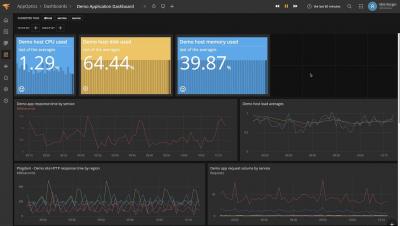
Video tutorial on how to use Smart Config in PA Server Monitor. The Smart Config feature is a very useful tool for quickly adding servers or devices to be monitored. You specify one or more servers, and the monitors inspect the servers/devices and create appropriate monitors for each one based on default settings. You can access the feature by clicking the Smart Config button at the top of the Console. You can paste a list of server names or IP addresses into an edit box. You can also press the Discover button to find a list of servers for you (more on that below).
How to Use Lambdas in Ruby

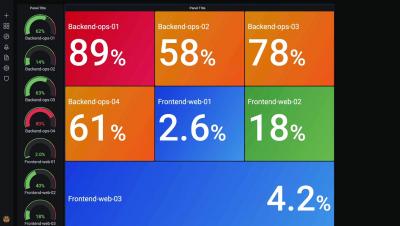
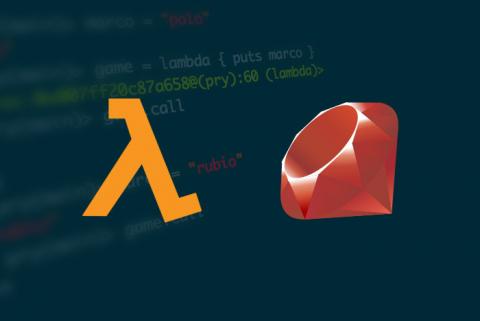
Lambdas are a powerful feature of the Ruby language. They allow you to wrap logic and data into a portable package. In this post, we’ll cover how and when to use lambdas. You'll also learn about the difference between lambdas and Procs, and the performance profile of lambda functions. The code examples have been tested with 2.6 and 2.7 and should work with most modern Rubys.

Threat Hunting with Network Metadata

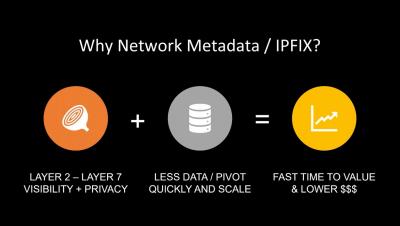
Maintaining a safe and secure network is not optional with an ever increasing amount of threats and methods of intrusion. Learn how you can leverage network metadata for fast and effective threat hunting, today. In this webinar, you will see how bringing together NetOps and SecOps information can help your organization continually locate and validate past and present indicators of compromise more efficiently

Scaling OpenShift Container Resources using Ansible

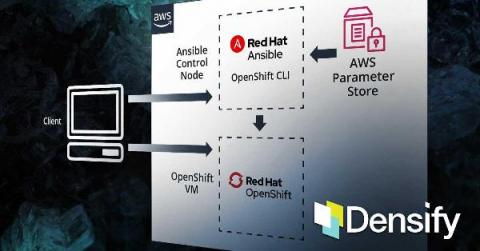
Assume you have a process to determine the optimal settings for CPU and memory for each container running in your environment. Since we know resource demand is continuously changing, let’s also assume these settings are being produced periodically by this process. How can you configure Ansible to implement these settings each time you run the associated playbook for the container in question?

The High Cost of NOT Monitoring Every Business-Critical Application

Maybe you’ve been there. You’re a VP of engineering, or a product owner. There was a critical outage in one of your apps, and it took your team an entire week to track down and fix the issue. Customers and revenue were lost. Now you’re sitting in a review meeting with a consultant hired to figure out what happened and why.

How PagerDuty and Partner Rundeck Enable Business Continuity for Digital Operations

At times like these when the world has been forced to adapt and go almost entirely digital, it’s imperative that our systems and platforms stay up and operational—all the times. We are going to great lengths to make sure that the hardware and software in our application stacks are reliable and responsive. Hardware is set up to have redundant backups and new code is tested and reviewed to make sure it doesn’t introduce any bugs into the system.