Operations | Monitoring | ITSM | DevOps | Cloud

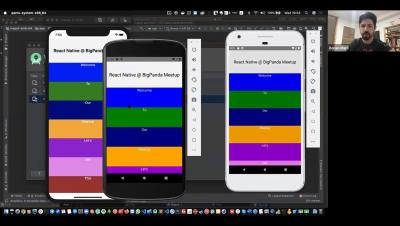
Continuous integration for React Native applications

Apache Cordova, since its release in 2009, has created a paradigm shift for mobile application development. Before Cordova, only developers who knew platform dedicated languages for a particular type of mobile operating system could develop native mobile applications. There was Objective-C for developing iOS apps, or Java for Android apps and platforms like Blackberry. Windows Phone also had languages dedicated to building their mobile applications.

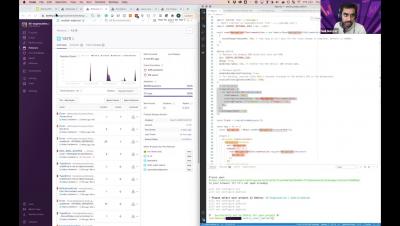
Performance Monitoring Support for React Native

March Mobile Madness continues with Performance support for React Native. Our friend, Jenn Meung shares how Performance supports his mobile appliction. In addition to working with Sentry, I also contribute to Tour, a travel app which helps people plan trips with a drag-and-drop interface. Because Tour is built with React Native, we’ve always had issues accurately gauging how people use our app and its performance.

From react-admin to pure react

When we were building out our first UI at Speedscale we wanted to get something up and running quickly. Fortunately there are a ton of options of web frameworks that can be used to throw together a quick “hello world” kind of application. However, a SaaS application needs a lot more than just displaying data. It needs to handle user authentication, loading data from a backend API, displaying data in a variety of formats, etc.

Migrating Grafana's template variables from AngularJS to React: A tale of failures and wins

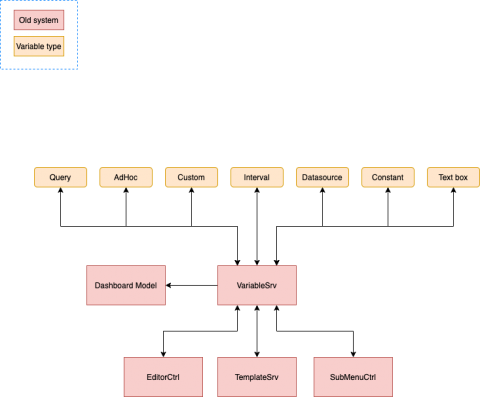
As many of you already know, we created Grafana using AngularJS, but we have been migrating to React for about two years now. One of the big missing pieces in our migration puzzle was the templating system. This post starts in late 2019 when I first got my hands on this mysterious and complex area of the Grafana code base.

Challenges Monitoring ReactJS Applications

ReactJS combines the speed of JavaScript with unique rendering capabilities to make applications that are highly dynamic, performance oriented, and responsive to user input. State of JS report 2018 cites performance as the major reason ReactJS has gained so much popularity in such a short time. When it comes to options for building single-page applications (SPAs), React delivers performance advantages over Angular and other JavaScript frameworks and libraries.

Top 6 Best Practices About State Management with React

One thing I love about working at OpsRamp is how we always come together to figure out new ways to manage complexity or achieve difficult development goals. Take, for example, managing application states. It’s historically one of the biggest challenges in front-end development. We’re a lean team, so we needed to figure out a better way. In this article, I’ll address how we accomplish this with React at OpsRamp, and how you can apply some of these practices in your own workday.

Serverless API with ReactJS

The article, Serverless API with ReactJS, was first published on the Serverless Guru website. Let’s build a Serverless REST API for our ReactJS website! In my last article, Deploy ReactJS App with S3 Static Hosting, we discussed hosting a simple React app on AWS with S3. This works great for simple static pages but what if you want to do something more? How do you host your API on S3?