
Operations | Monitoring | ITSM | DevOps | Cloud

From Stack Trace to Probable Cause: AI Root Cause Analysis Is Here

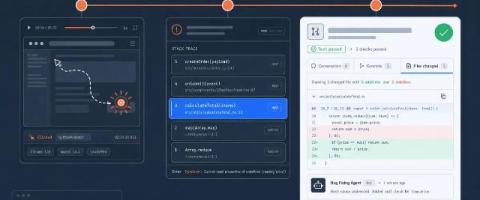
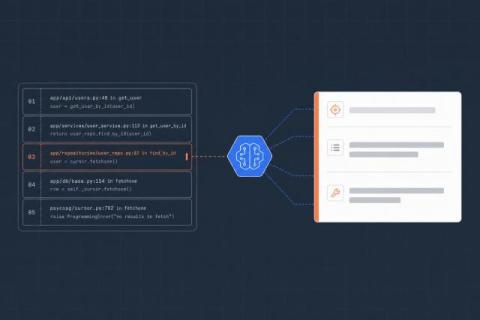
You know the drill. An error fires, you get the stack trace, and then you spend the next 45 minutes tracing it backward through four services, two config files, and a deploy that happened three hours ago. You eventually find the root cause, but the path to get there was manual, slow, and entirely dependent on how well you already knew the codebase. We built AI-powered root cause analysis (RCA) for that kind of slog.

What is Error Tracking? A Beginner's Guide to Monitoring Errors in Production

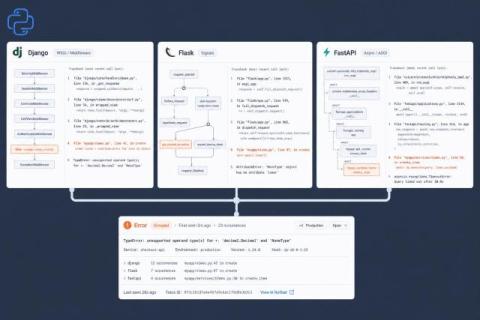
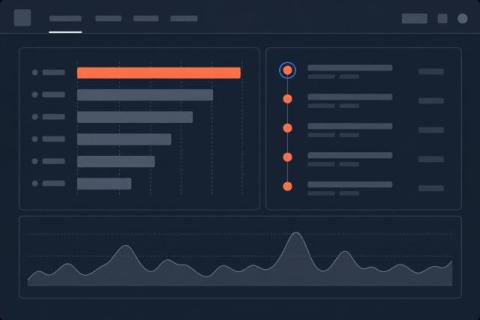
Every app breaks eventually. A button stops working. A checkout flow throws an exception. An API returns a 500 error at 2 AM on a Saturday. The question isn't whether your app will have bugs; it's whether you'll find out before your users do. That's exactly what error tracking is for.

Root Cause Analysis in Software Testing: Methods, Techniques, and How AI Is Changing the Game

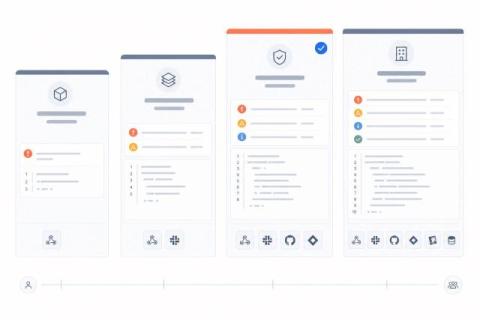
If you've ever fixed a bug only to watch it come back two weeks later, you already understand why root cause analysis matters. Patching symptoms feels productive - it's not. Getting to the actual cause is what prevents the same issue from eating your team's time over and over again. This guide covers everything you need to know about root cause analysis (RCA) in software testing: what it is, how to do it, which tools help, and where AI is taking it next.

Most Popular Java Web Frameworks in 2026

Look, if you're starting a new Java web project in 2026, you should probably just use Spring Boot. With 14.7% usage in the 2025 Stack Overflow Developer Survey and a 53.7% admiration score among all web frameworks, it remains the default choice for modern Java web development. It has the largest ecosystem, best documentation, most active community, and strongest cloud-native support—now enhanced with built-in AI capabilities through Spring AI.