Operations | Monitoring | ITSM | DevOps | Cloud

The 5Ws (and 1H) of the New InfluxDB Cloud

Some things are inevitable, like Thanos, paying taxes, and change. While it would be nice to simply snap our fingers and deliver new products, things aren’t so simple in the real world. InfluxDB has been the leading time series database since January 2016. But we’re not content to rest on our laurels. The quest to improve InfluxDB is constant and ongoing. As of today, we’re beginning the rollout of an all-new and improved InfluxDB Cloud powered by IOx.


The Benefits of Unit Testing and How to Run a Unit Test in Python

Unit testing is a software testing method in which individual units or components of a software application are tested in isolation from the rest of the system. The goal of unit testing is to validate that each unit of the software application is working as intended. In this article, we’ll cover the benefits of unit testing and demonstrate how to run a unit test in Python.

6 Tips for Debugging Complex Code

Debugging complex code can be an intimidating and time-consuming task, but it doesn’t have to be. With the right strategies, you can quickly identify and remedy issues in your code. In this article, we’ll cover some of the most effective techniques for debugging complex code including using print statements, breakpoints, test-driven development, refactoring for readability, utilizing debuggers and automated tools – plus more!

Extend the Power of Your ServiceNow Application with PagerDuty for Customer Service

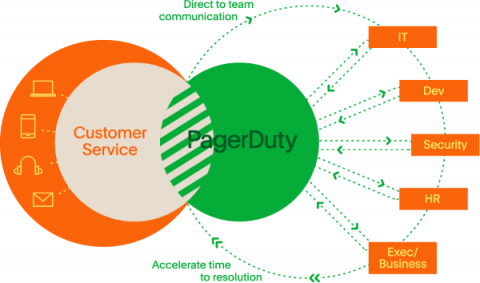
The last few years have led to an increasingly digital world. We are all online, streaming, shopping, or simply surfing. In this new world, customer experience is more critical than ever. Customers want things to work as seamlessly as possible, and when things go wrong, so goes their trust and business. The key priority for many businesses is keeping those systems running as smoothly as possible to keep customers happy and build their loyalty.

How To Simplify Your Kubernetes Adoption Using Rancher

Kubernetes has firmly established itself as the leading choice for container orchestration thanks to its robust ecosystem and flexibility, allowing users to scale their workloads easily. However, the complexity of Kubernetes can make it challenging to set up and may pose a significant barrier for organizations looking to adopt cloud native technology and containers as part of their modernization efforts.

The 4 Game-Changing Benefits of Migrating from Heroku to AWS

Hi there! If you're in the tech world, you've probably heard about the trend of companies moving from Heroku to AWS. At Qovery, we've seen an increasing demand from companies looking to make this move. And for good reasons! Here are the top 4 reasons why companies are choosing AWS over Heroku.

10 Best RUM Tools for Improving Your User Experience

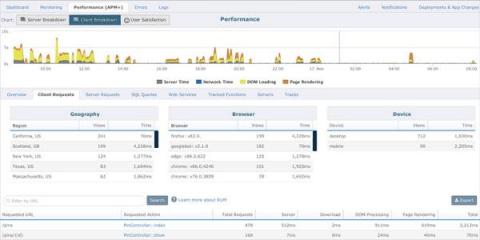
Having user-friendly programs is paramount for any software company’s success. To gain a better understanding of your users’ experience and enjoyment, it’s vital that you learn how customers interact with your app or website. Real user monitoring (RUM) solutions enable your company to visualize how users interact with your software, helping you learn what works best for your customers so you can thrive against the competition.

Be ransomware ready with cloud-first DPaaS

Did you know that your choice of a data protection solution can not only help you recover from cyber-attacks, but can also reduce your vulnerability to those attacks? By storing your primary backups safely off the local network, and choosing a remotely hosted SaaS data protection application, two critical attack vectors will be safely out of the reach of ransomware.

Local Variables for NodeJS in Sentry

Stack traces show us exactly where an exception occurred, but you can still be left wondering: What arguments or state caused the exception to occur? If you can reproduce the issue locally with a debugger attached you’ll have access to these local variables, but with Sentry you can identify the exception location without needing to reproduce the issue locally. By including local variables with stack traces, Sentry events become much closer to the full debugging experience.

Linux Patch Management Best Practices

According to Wired, around 67% of web servers worldwide use Linux OS, and the main reason behind using Linux OS is as follows: Linux comes with better security, but still, it is susceptible to malware attacks because newly discovered vulnerabilities, you require Linux patching for your organization to witness exceptional security. The importance of Linux patching is tremendous for any organization.