Operations | Monitoring | ITSM | DevOps | Cloud

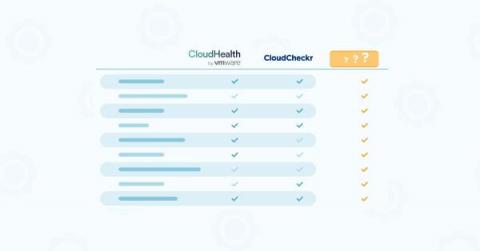
CloudHealth Vs. CloudCheckr (And Is There A Better Option?)

A big part of cloud management is managing and optimizing cloud costs. CloudHealth and CloudCheckr aim to help you manage the cost, performance, security, and compliance requirements of your cloud-based services. Both offer hybrid and multi-cloud deployment capabilities. But we doubt you'll want to use them both simultaneously. So, which one do you choose? CloudCheckr or CloudHealth? In this comparison, we reveal what makes each cloud management tool unique, so you can pick the right one for your needs.

SolarWinds Observability: Helping to Accelerate Application Development

Observability is the practice of equipping software and infrastructure with tools capable of gathering actionable data showing not only when an application error or issue occurs but why it occurred. Most traditional monitoring tools gather information passively; observability practices are different. They focus on actively gathering relevant data, especially factors driving operational decisions and actions.

ScienceLogic Recognized in TrustRadius 'Best of' Awards for 2023

At ScienceLogic, we’ve built our customer operations to ensure our customers have an excellent end-to-end customer experience, with a rock-solid plan for improving our customers’ ability to meet and exceed their desired business outcomes. And well, we must be doing something right: ScienceLogic has been recognized in this year’s TrustRadius ‘Best of’ Awards—through our customer’s direct feedback.

How ServiceNow Impact helps businesses accelerate time to value

The promise of software as a service (SaaS) has always been value-based pricing. Rather than owning a suite of products they might not need, customers can choose only the services they do need to drive specific outcomes for their businesses. From day one, SaaS was about value. More often than not, products in the enterprise software space fail to live up to this ideal. In light of that, we came up with a crazy idea to help customers accelerate time to value. The idea clearly struck a chord.

New in Grafana Tempo 2.0: Apache Parquet as the default storage format, support for TraceQL

Grafana Tempo 2.0 is finally here, and it’s being released with two new important features. It took us longer than we would have liked to get this release going, but it turns out that rewriting your backend AND building a new query language is quite difficult. Thanks to a massive team effort, we are proud to release Tempo with support for TraceQL and with Apache Parquet as the default backend storage format. Read on to get a quick overview of this huge release.

Grafana Agent v0.31 release: new Helm chart, Flow support for Grafana Phlare, and more

Here at Grafana Labs, we aim to create products which integrate well with open standards and are easy to install everywhere. Today, we’re excited to announce Grafana Agent v0.31, which allows you to connect to even more types of observability signals for both scraping and remote writes. And to help you install the Agent more easily, there is now an official Windows Docker image and an official Helm Chart. Here’s a breakdown of the latest features and upgrades in Grafana Agent v0.31.