Operations | Monitoring | ITSM | DevOps | Cloud

Innovation, Agility, Engagement: Three Keys for Success in Europe in 2023

2023 looks set to be challenging for businesses right across Europe. What can IT functions do to help their organizations survive and thrive? 2022 was a hard year for many organizations, with staff shortages, cost inflation, supply chain issues, and more. If anything, 2023 looks set to be even tougher here in Europe, with GDP growth forecast to fall from 3.3% across the EU in 2022, to around 0.3% for 2023. made more complex this time by historically high levels of employment.

Logic App Best practices, Tips, and Tricks: #20 Accessing Runtime Settings (Part II) - Logic App Standard

In my last blog post, I discussed How you could access runtime settings like the Subscription Id or the Resource Group in Logic App Consumption. I mentioned there that this differs from Consumption to Standard since they have different engines. So today, in this second part, we are going to address: How to access runtime settings inside Logic App Standard.

2023 focus: Boost Staff Productivity & Cut Costs

Today, COVID recommendations and protocols have changed, and businesses have quickly modified policies on hybrid and remote work, signaling yet another shift in how we do business. And as inflation has risen, investors and large corporations have taken a harder look at growth plans and how to deliver on them. Markets have tumbled and layoffs at technology companies are making headlines.

Getting More Web Traffic? How to Prepare Your Site for Large Scale Traffic

It can be challenging to understand the specific factors that can cause traffic to surge on your website. Sometimes there are temporary spikes, usually related to sales or special events, and other times this increase in traffic can be permanent. Website owners should be ready to handle large volumes of visitors as any breakdown, no matter how short-lived, can cause you to lose potential business.

Sponsored Post

How to Choose the Right IT Ops Metrics

Traditionally, we consider IT to be managing and monitoring on-premises network infrastructure, including hardware and software. However, the reality is that most enterprises have accepted and migrated much of their infrastructure to the cloud already. They recognize the benefits of the cloud and that it is here for the long haul. According to the latest study from Deloitte, 90% of organizations have been using cloud services for the last three years, and 79% are hosting workloads with multiple cloud providers. In addition, adopting cloud computing platforms has accelerated significantly in the remote work era.

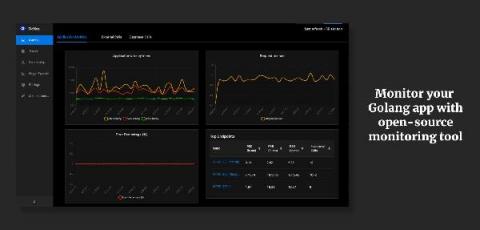
How to set up Golang application performance monitoring with open source monitoring tool - SigNoz

In this article, learn how to setup application monitoring for Golang apps using an open-source solution, SigNoz. If you want to check our Github repo before diving in 👇 Scalability, Reliability, Maintainability... The list goes on for the benefits of microservices architecture in today's world. But along with these benefits also comes the challenges of complexity.

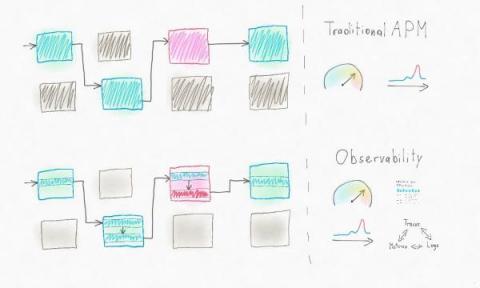
The role of APM and distributed tracing in observability

Application performance management (APM) and distributed tracing are practices that many teams have been using for years to help detect and mitigate performance issues within applications – while the first one was born in the era of big single-host monoliths, the latter is especially useful for distributed applications that use a microservices architecture, in which tracing is critical for pinpointing the source of performance issues.