Operations | Monitoring | ITSM | DevOps | Cloud

What is AIOps? AIOps Explained

What is AIOps? Simply put, AIOps uses big data, analytics and machine learning to automate and improve IT operations (ITOps). AI is particularly important in ITOps functions such as anomaly detection and event correlation, as it has the ability to analyze large volumes of network and machine data to find patterns, identify the cause of existing problems and find ways to forecast and prevent future issues.
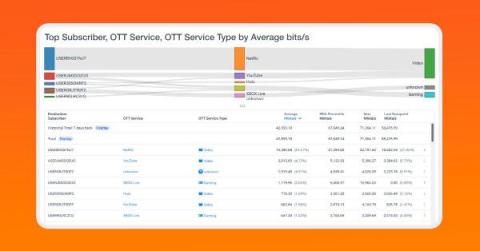
Analyzing the Traffic Patterns of Broadband Subscriber Behavior

Broadband subscriber behavior analysis is the process of collecting and analyzing data on how broadband subscribers use the internet. This data can be used to gain insights into subscriber needs and preferences, as well as to identify potential problems with the broadband service.

Enhance your cloud security with MITRE ATT&CK and Sumo Logic Cloud SIEM

As cloud applications and services gain prominence amongst organizations, adversaries are evolving their toolset to target these cloud networks. The surge in remote work and teleconferencing presents unprecedented opportunities for nefarious activities. Enter the MITRE ATT&CK Framework, also known as a MITRE ATT&CK Matrix—a treasure trove for defending cloud infrastructure and on-premises infrastructure against the newest adversary tactics, techniques, and procedures (TTPs).
Sponsored Post

Service Watch and Desktop Virtualization

This article covers the benefits and instructions for deploying Service Watch Desktop for end-user devices and Desktop Virtualization platforms such as Azure Virtual Desktop, Windows 365, or Amazon Workspaces. The use of Virtual Desktop Infrastructure (VDI) is on the rise because of remote work, and increased need for security, and outsourcing. The rise of these environments brings the need to proactively monitor and troubleshoot remote virtual desktops - there are lots more moving parts, for sure.

Experience seamless Meraki network monitoring with OpManager

According to a study by Zippia, 70% of the organizations already have a digital transformation policy in place or are currently working on one. This implies the growing significance of modernization in IT. With new-age techniques such as SD-WAN, organizations can deliver an enhanced end-user experience, ensure reliable QoS, enhance their network security, optimize their network performance, and reduce their overhead costs.

What is Infrastructure Monitoring?

Infrastructure Monitoring can be a powerful tool for engineers to analyze, visualize and comprehend if a backend is affecting users, by collecting health and performance data from containers, servers, databases, virtual machines, and other backend components in a tech stack. Within this article, we will outline what Infrastructure Monitoring is, how it works, what Infrastructure Monitoring as a Service is, and some benefits of the solution.

APM vs Tracing vs Observability

Application Performance Monitoring (APM), tracing, and observability are fundamental software development and system management approaches. Each of these three concepts uniquely ensures that your applications operate, efficiently, smoothly, and reliably. Your organisation will more than likely already adopt one of these approaches, or even two, potentially all three.

Grafana Tempo 2.3 release: faster trace queries, TraceQL upgrades

Grafana Tempo 2.3 has been unleashed upon the world, bringing with it the latest iteration of the vParquet backend! Tempo 2.3 has a little bit of everything, but the headline item here is vParquet3 and new features that improve search speeds. Watch the video above for all the details, or continue reading to get a quick overview of the latest updates in Tempo. If you’re looking for something more in-depth, don’t hesitate to jump into the changelog or our Grafana Tempo 2.3 release notes.