Operations | Monitoring | ITSM | DevOps | Cloud

Insights from Sapphire Ventures: Grow Efficiently, Focus on Culture

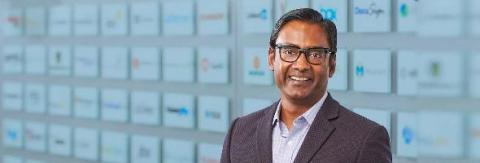
Today on the blog, we chat with Jai Das, president, co-founder and managing director of Sapphire Ventures, a venture capital firm in Silicon Valley and an investor in OpsRamp. Jai has 20 years of experience in helping companies scale and become market leaders, including Alteryx, Box, ExactTarget. Five9, Mulesoft, Nutanix, and Square. Prior to joining Sapphire Ventures in 2006, Jai worked at Oracle, Intel Capital, Agilent Ventures, and MVC Capital.


The best way to collaborate through recorded messages - CloudApp

In this era of globalization, sharing information has been made quiet doable for everyone. Whether it is in the form of text, an image, a video or any other visual form, thanks to the built-in features of mobile devices, like screen recording and screenshots etc, sharing information has become a cinch. In fact, most people prefer sharing information in the form of an image or a video instead of typing lengthy text messages.

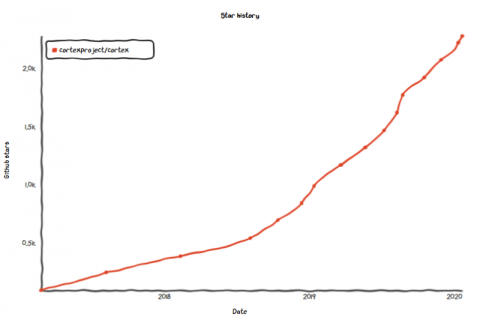
The Future of Cortex: Into the Next Decade

The Cortex project, a horizontally scalable Prometheus implementation and CNCF project, is more than three years old and shows no sign of slowing down. Right now, there are a lot of things going on in Cortex, but sometimes it’s not clear why we’re doing them. So I want to provide some clarity for both the Cortex community – and the wider Prometheus community – regarding our intentions, especially with regards to the Thanos Project.

LogicMonitor and Unomaly can pre-empt business problems with AIOps

Curious about AIOps these days? You’re not alone. AIOps (Artificial Intelligence for IT Operations) is all about analyzing and automating your IT operations using artificial intelligence and machine learning algorithms. These operations include end-to-end workflows that bring monitoring, analytics, incident management, and automation systems together with a common goal of optimizing and automating operational tasks.

Observability vs Monitoring

Observability is a hot Subject right now, stirring a great deal of debate among IT admins. This report brings some clarity and will shed some light on the topic – “What is the difference between monitoring & observability?”. Enterprise IT is complex as IT infrastructure solutions are delivered from enormous datacenters located at remote locations.

Automating Sentry Releases with CircleCI

Continuous integration tools like CircleCI let developers automate builds and tests, so that teams can merge changes into their codebase quickly and frequently. In this article, we’ll take a look at how to combine Sentry’s command line interface with CircleCI to automatically create Sentry releases. This will unlock some of our best features, like identifying suspect commits that likely introduced new errors, applying source maps to see the original source code within Sentry, and more.

Introducing Netdata's step-by-step tutorial

Health monitoring and performance troubleshooting aren’t easy. That’s exactly why we’re building Netdata, to democratize monitoring and make it accessible to anyone interested in learning more about their systems and applications. Of course, teaching a complicated topic isn’t easy either. Until recently, the only resource to help new users after installation has been our getting started guide.

How to Instrument UserLand Apps with eBPF

eBPF has revolutionized the observability landscape in the Linux kernel. Throughout our previous blog post series, I covered the fundamental building blocks of the eBPF ecosystem, scratched the surface of XDP and showed how closely it cooperates with the eBPF infrastructure to introduce a fast-processing datapath in the networking stack. Nevertheless, eBPF is not exclusive to kernel-space tracing.

How To Get The Most Out Of The Linux Screen Command

If you’re logging onto a service or running remote command line operations over a network link via the Secure Shell (SSH) protocol, the last thing you need is for your session to be cut off by a faulty connection. This scenario is all too common – but for Linux users, the Screen utility can prevent it from occurring.