There’s no getting around the prevalence of heterogeneous tools in IT operations and DevOps. Teams have built up ecosystems of tools over time for different infrastructure, workflows and applications – and while some of them are outdated or duplicitous – plenty still serve a useful purpose in the enterprise. Yet unfortunately tool sprawl adds to the complexity of monitoring a hybrid or multi-cloud environment.
Have you heard the buzz about observability with Honeycomb 🐝? It’s the best tool on the market for observing your systems in real time to reduce toil and delight users. But don’t listen to us, listen to our buzzing community of “Pollinators”–this blog post is dedicated to them 💖 An invite is sent to our shared Slack workspace “Pollinators” to everyone who signs up for Honeycomb.
Year after year, we have seen that when it comes to maintaining end-user experience during the holiday season, preparation is key. But this year promises to be different, there has never been a time where digital-first was so imperative to the survival of most retailers. The drastic changes brought in by COVID-19 is bound to have a significant impact on the holiday season. Black Friday 2020 might as well be the benchmark for DEM going forward.
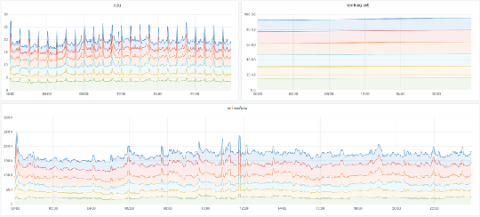
Jaeger primarily supports two backends: Cassandra and Elasticsearch. Here at Grafana Labs we use Scylla, an open source Cassandra-compatible backend. In this post we’ll look at how we run Scylla at scale and share some techniques to reduce load while ingesting even more spans. We’ll also share some internal metrics about Jaeger load and Scylla backend performance. Special thanks to the Scylla team for spending some time with us to talk about performance and configuration!
Amazon Kinesis Data Firehose is a service for ingesting, processing, and loading data from large, distributed sources such as clickstreams into multiple consumers for storage and real-time analytics. AWS recently launched a new Kinesis feature that allows users to ingest AWS service logs from CloudWatch and stream them directly to a third-party service for further analysis.
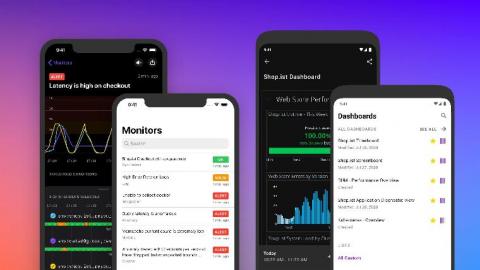
When you’re on call and get paged at an inconvenient time, you need to be able to quickly determine the seriousness of the issue and act decisively to reduce system downtime. But pager notifications often don’t give you the information you need to investigate an issue from your mobile device, meaning that access to a laptop at all times is a must.
Working remotely has grown over the past several months for many organizations. The ability to provide remote access involves being able to control access to network and cloud-based servers while allowing employees to access the data and files they require to do their jobs. Remote access is also needed to monitor what data and files employees are accessing. Working remotely allows a business to continue to operate when employees are not able to work in the office.