Operations | Monitoring | ITSM | DevOps | Cloud

Network Monitoring Safety Checklist-5 Steps to Take

Network monitoring is a vital part of your security architecture and layered security portfolio. Step one in your network monitoring safety checklist is making sure you have network monitoring in the first place. The rest of our steps assume you have network monitoring and lay out five ways to optimize its value.

Extend Device Lifecycles and Increase Employee Happiness

See how Nexthink’s IT department extended hardware refresh cycles while increasing employee happiness by offering device choices and incorporating sentiment and environment stewardship into the process. Like many organizations, our IT team has fallen behind on hardware refresh cycles due to the global chip shortage and ongoing supply chain issues.

VMware vSphere vs. ESXi vs. vCenter

VMware is best known for developing software packages that support virtualization. Using the company’s solutions, your business can adopt a multi-cloud environment. It also works to modernize applications and support security initiatives. You can even create an anywhere workspace for your team. One of the products that will help you accomplish these things is known as vSphere. vSphere is a suite of products. This means you can download and use components of the suite individually.

AppScope 1.0: Changing the Game for Infosec, Part 2

We’re introducing AppScope 1.0 with a series of stories that demonstrate how AppScope changes the game for SREs and developers, as well as Infosec, DevSecOps, and ITOps practitioners. This blog is the second of two Infosec stories. For both Part 1 and Part 2, Randy Rinehart, Principal Product Security Engineer at Cribl, contributed extensively.

Elastic on Elastic: How we saved $100,000/month by keeping our own software up to date

Let's start with the bottom line: When we upgraded to Elasticsearch 7.15 last year, our internal observability clusters saw a reduction in inter-node traffic from 464TB to 204.5TB per day. We monitored this reduction through subsequent upgrades and noticed its impact on our data transfer and storage costs. So here it is: upgrading saved Elastic $3,500 per day, or approximately $100,000 a month, or $1.2 million annually.

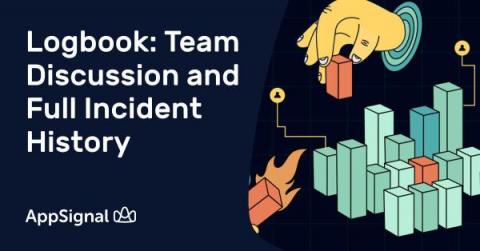
Logbook: Team Discussion and Full Incident History

We've launched a feature that will help you fix errors and performance issues as a team! 🎉 With Logbook you get the full incident history. Read and leave team comments, see which notifications were sent at what time, and see team activity for changes in incident states. It's now easier than ever to see what the current state of an incident is.

4 steps to bring network observability into your organization

The vast majority of corporate IT departments have a network monitoring solution. Typically that solution is built on standalone software platforms. If that’s you, this post is for you. You’re probably hearing a lot about “observability” these days. Generally, that’s the ability to answer any question and explore unknown or unexpected problems to deliver great digital experiences to your users.

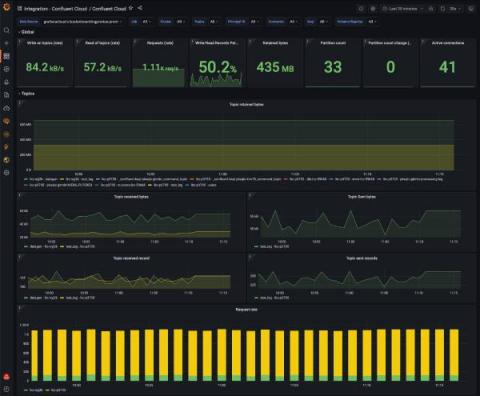
Introducing the new Confluent Cloud integration for Grafana Cloud

At Grafana Labs, we’re continuing to expand our platform of Grafana Cloud integrations that make it easier than ever to connect and monitor external systems. These integrations enable you to answer the big picture questions in your organization and tell your observability story.

CI/CD & DevOps Pipeline Analytics: A Primer

Tracking application-level and infrastructure-level metrics is part of what it takes to deliver software successfully. These metrics provide deep visibility into application environments, allowing teams to home in on performance issues that arise from within applications or infrastructure. What application and infrastructure metrics can’t deliver, however — at least not on their own — is breadth.

Kubernetes Incident Response Best Practices

Inevitably, organizations that use technology (regardless of the extent) will have something, somewhere, go wrong. The key to a successful organization is to have the tools and processes in place to handle these incidents and get systems restored in a repeatable and reliable way in as little time as possible.