DevOps for Highly Regulated Environments
In this webinar, we’ll explore some ways that you can adopt DevOps best practices and even (gasp!) thrive when building your DevOps and DevSecOps pipelines in highly-regulated industries.


The latest News and Information on DevOps, CI/CD, Automation and related technologies.
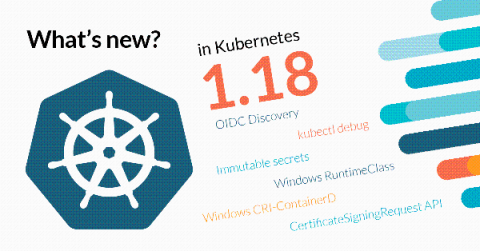
Kubernetes 1.18 is about to be released! After the small release that was 1.17, 1.18 comes strong and packed with novelties. Where do we begin? There are new features, like the OIDC discovery for the API server and the increased support for Windows nodes, that will have a big impact on the community. We are also happy to see how some features that have been on Alpha state for too long are now being reconsidered and prepared for the spotlight, like Ingress or the API Server Network Proxy.
Andreessen Horowitz recently published a blog about the Heavy Cloud Costs and Scaling Challenges of The New Business of AI, in which they describe how AI companies are facing cloud cost challenges, which are impacting their margins. As someone who used to manage a fully home-grown on-site distributed speech recognition platform for an industry leader, I know firsthand that ML can be expensive and challenging to maintain. However, it doesn’t have to be.
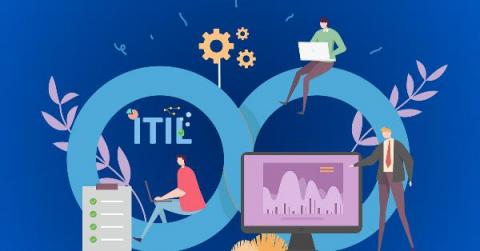
When I read Greg Ferro’s infamous “Why I hate ITIL so much” blog back in 2015, I have to admit that I agreed with many (albeit not all) of what he said. Maybe it’s the issues that I have with authority in general, or maybe it’s my many years of working within the constraints of ITIL and ITSM in operating systems and services – but I truly believed (and still do) that well-educated, experience and consensus-based pragmatism is what actually gets things done.
VMware vSphere is a server virtualization platform that enables organizations to provision and manage virtual machines at scale. With its comprehensive suite of products, vSphere helps companies manage datacenter resources, migrate workloads without downtime, run applications with high availability, and more. To keep tabs on dynamic vSphere environments and effectively address resource bottlenecks, you need deep visibility across every part of your infrastructure.
At re:Invent in December, Amazon announced the AWS Graviton2 processor and its forthcoming availability powering Amazon EC2 M6g instances. While the first-generation Graviton processor that powered A1 instances was better suited to less compute-intensive workloads, this processor is intended to offer AWS customers a compelling alternative to conventional x86-powered instances on both performance and cost.