The latest News and Information on DevOps, CI/CD, Automation and related technologies.
Over the past few months, we published a number of articles showing how to snap desktop applications written in different languages – Rust, Java, C/C++, and others. In each one of these zero-to-hero guides, we went through a representative snapcraft.yaml file and highlighted the specific bits and pieces developers need to successfully build a snap. Today, we want to diverge from this journey and focus on the server side of things.
Apache Flink is an open source framework, written in Java and Scala, for stateful processing of real-time and batch data streams. Flink offers robust libraries and layered APIs for building scalable, event-driven applications for data analytics, data processing, and more. You can run Flink as a standalone cluster or use infrastructure management technologies such as Mesos and Kubernetes.
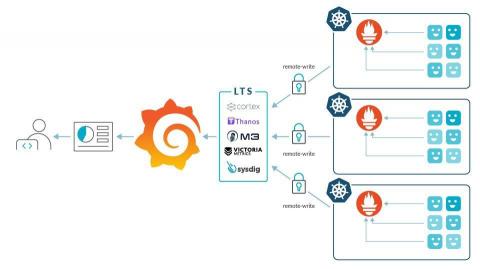
This article will cover the most common challenges you might find when trying to use Prometheus at scale. Prometheus is one of the foundations of the cloud-native environment. It has become the de-facto standard for visibility in Kubernetes environments, creating a new category called Prometheus monitoring. The Prometheus journey is usually tied to the Kubernetes journey and the different development stages, from proof of concept to production.
Runtime security for Rancher environments requires putting controls in place to detect unexpected behavior that could be malicious or anomalous. Even with processes in place for vulnerability scanning and implementing pod security policies and network policies in Rancher, not every risk will be addressed. You still need mechanisms to confirm these security barriers are effective and provide a last line of defense when they fail.
Docker is an essential bridge in modern DevOps. Despite Kubernetes overtaking Docker on orchestrating containers, the Docker container itself remains the standard and likely will for the foreseeable future. We developed the Docker Metrics collector to operate as its own container that will run Metricbeat using the modules you are running in real time. Now, in addition to the Docker module, we are now releasing an AWS module for operations in the cloud.