SpeedChat: Shift-Left vs. Shift-Right Throwdown
Speedscale ‘SpeedChat’ Episode 2: Shift-Left vs. Shift-Right Throwdown featuring Nate Lee (Founder, Speedscale), Ken Ahrens (Founder, Speedscale) and Jason English (Principal Analyst, Intellyx).
The latest News and Information on Containers, Kubernetes, Docker and related technologies.
Speedscale ‘SpeedChat’ Episode 2: Shift-Left vs. Shift-Right Throwdown featuring Nate Lee (Founder, Speedscale), Ken Ahrens (Founder, Speedscale) and Jason English (Principal Analyst, Intellyx).
Kubernetes orchestrates clusters of machines to run container-based workloads. Building on the success of the container-based development model, it provides the tools to operate containers reliably at scale. The container-based development methodology is popular outside just the realm of open source and Linux though.
Lateral movement is a growing concern with cloud security. That is, once a piece of your cloud infrastructure is compromised, how far can an attacker reach? What often happens in famous attacks to Cloud environments is a vulnerable application that is publicly available can serve as an entry point. From there, attackers can try to move inside the cloud environment, trying to exfiltrate sensitive data or use the account for their own purpose, like crypto mining.
Implementing the AWS Foundations CIS Benchmarks will help you improve your cloud security posture in your AWS infrastructure. What entry points can attackers use to compromise your cloud infrastructure? Do all your users have multi-factor authentication setup? Are they using it? Are you providing more permissions that needed? Those are some questions this benchmark will help you answer. Keep reading for an overview on AWS CIS Benchmarks and tips to implement it.
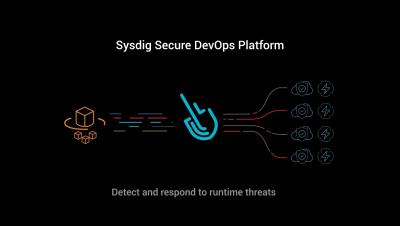
Implementing effective threat detection for AWS requires visibility into all of your cloud services and containers. An application is composed of a number of elements: hosts, virtual machines, containers, clusters, stored information, and input/output data streams. When you add configuration and user management to the mix, it’s clear that there is a lot to secure!
This hands-on Flux tutorial explores how Flux can be used at the end of your continuous integration pipeline to deploy your applications to Kubernetes clusters.
DevOps tool of the month is a series, where each month I will introduce one new useful DevOps tool in 2021 For March I chose: Shipa – Shipa’s cloud native application management framework makes working with Kubernetes for developers extremely easy.
Following the Open Operator Collection announcement from November, Canonical is today proud to announce the availability of Juju Operator Lifecycle Manager (OLM) 2.9. This new release of Juju brings new capabilities for Kubernetes operators as well as smooth integration with the Open Operator Collection.
During the next seven weeks, our team will work to improve the overall experience of Qovery. We gathered all your feedback (thank you to our wonderful community 🙏), and we decided to make significant changes to make Qovery a better place to deploy and manage your apps. This series will reveal all the changes and features you will get in the next major release of Qovery. Let's go!