Operations | Monitoring | ITSM | DevOps | Cloud

Cycle July Recap and August Preview

July has been an exciting month for us here at Cycle! We've had our heads down, and have made significant advancements and launched a number of new features aimed at enhancing the overall experience for our users. As we transition into August, we're thrilled to share what we've accomplished during the month of July, and what lies ahead for the platform.

Understand your Kubernetes cost drivers and the best ways to rein in spending

In the previous blog post in this two-part series, we discussed the critical signals you need to monitor in your Kubernetes environment to ensure optimal resource provisioning. These signals include high CPU and memory utilization, frequent pod evictions, slow application performance, and other indicators that your resources are over- or under-provisioned. Monitoring these signals is essential for maintaining an efficient, cost-effective, and environmentally sustainable Kubernetes environment.

Navigating the challenges of modern cloud computing

To read the full findings from this research, visit The Cost of Cloud 2024 white paper by clicking here. As cloud computing continues to evolve, it brings many new challenges. Our latest white paper, "The Cost of Cloud 2024”, explores these emerging issues through the insights of over 500 industry professionals.

Top 10 CI/CD Security Risks and Solution

In the realm of Continuous Integration and Continuous Deployment (CI/CD), security is paramount. However, as organizations rapidly adopt CI/CD practices, several security risks emerge. Understanding and mitigating these risks is crucial to maintaining a secure and resilient software delivery pipeline. Below is a detailed exploration of the top 10 CI/CD security risks.

Monitor these Kubernetes signals to help rightsize your fleet

Organizations that run Kubernetes clusters in cloud native environments should do so in a way that’s both operationally efficient and cost effective. However, many organizations don’t prioritize cost optimization until it becomes a pressing need. This may be due to a directive from senior leadership, a significant scale-up or migration of Kubernetes clusters, or an unexpected surge in the cloud bill.

Top 18 DevOps Tools For Startups

Startups often face challenges in balancing rapid development with robust infrastructure. DevOps can be the solution, but selecting the right tools can be overwhelming. Achieving a good balance of cost, scaling, security, efficiency improvement, learning curve, rapid product releases, etc. is not easy. But worry not, we will solve this problem for you today. I've compiled some of the best DevOps tools that will make the DevOps journey of a startup easier.

AKS Cost Optimization: How To Lower Your AKS Costs

Cloud-native applications continue to evolve and grow in complexity. And that complexity hurts the most when managing Kubernetes costs in Azure. AKS cost optimization may seem obvious, but it might also seem difficult to achieve. Microsoft’s fully managed Kubernetes service can help you run, manage, and deploy containerized applications. And while it optimizes performance, it can cause unexpected costs when improperly managed.

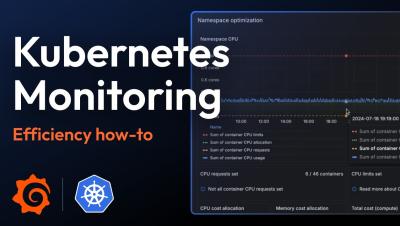
Kubernetes Monitoring Demo: How to Lower Costs and Improve Fleet Efficiency | Grafana

The Kubernetes Monitoring app in Grafana Cloud helps you visualize infrastructure costs across providers, identify unallocated and idle resources, and visualize and optimize Kubernetes resources. In this video, Vijay Tolani shows how to lower costs and improve fleet efficiency with the Kubernetes Monitoring app in Grafana Cloud.

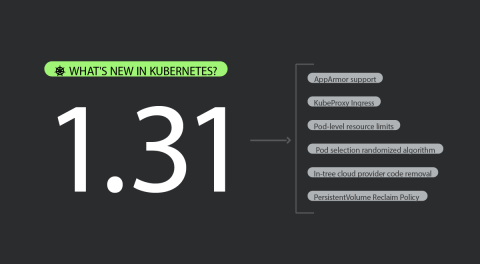
Kubernetes 1.31 - What's new?

Kubernetes 1.31 brings a plethora of enhancements, including 37 line items tracked as ‘Graduating’ in this release. From these, 11 enhancements are graduating to stable, including the highly anticipated AppArmor support for Kubernetes, which includes the ability to specify an AppArmor profile for a container or pod in the API, and have that profile applied by the container runtime.

Make Smarter AI Apps with RAG with Joey DeVilla

Join @JoeyDeVilla as he explores retrieval augmented generation (RAG). Learn how this AI technique combines machine learning models with external information retrieval to enhance accuracy. Using a Jupyter notebook and Star Wars characters, Joey explains RAG's principles and demonstrates live coding examples with LangChain and OpenAI. Get hands-on insights into solving hallucinations and outdated information issues with RAG.

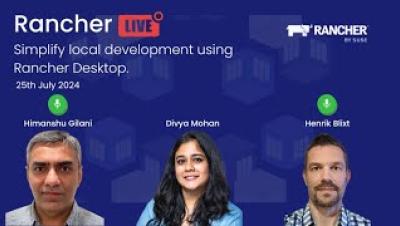
Rancher Live: Simplify local development using Rancher Desktop

Learn how Intuit leverages Rancher Desktop, the fully free and open source, container & Kubernetes management tool for desktops to power their local development workflows in this episode of Rancher Live. Join Divya Mohan as she hosts Himanshu Gilani & Henrik Blixt on 25th July, 2024 at 11 AM ET.

AI/ML Simplified: Replace ChatGPT with an Open Source Model on Civo with Josh Mesout

Join Josh Mesout, CIO of Civo, in this workshop where we simplify AI and ML, focusing on deploying large language models (LLMs) using open-source tools. Learn how to leverage Civo infrastructure, understand the benefits of open-source models, and gain practical insights into setting up your own AI deployment. Ideal for software engineers and tech enthusiasts looking to reduce reliance on ChatGPT and take control of their machine learning models.

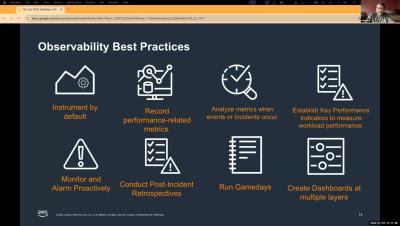
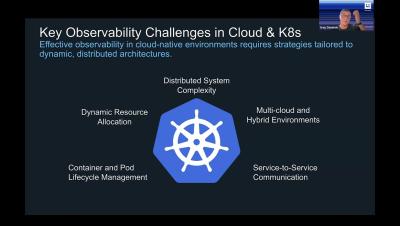
Sustainable Computing in Observability with Kunal Nawale

Kunal Nawale, Founder and CEO of SigLens, presents on sustainable computing and observability. Understand the significant energy impact of data centers and how efficient observability can reduce both costs and carbon emissions. Learn about data storage optimization and how SigLens’s open-source solution offers a 90% cost reduction compared to traditional systems like Splunk and Elastic Search.

Embracing Open Source in the Enterprise: Strategies & Best Practices

The current landscape of open-source software (OSS) in enterprises is characterized by a strategic shift towards open-source solutions for critical infrastructure and development needs. Enterprises increasingly rely on OSS to power their applications, manage data, and automate their deployment pipelines, making OSS an integral part of the software development lifecycle.

DevOps for Startups: Best Practices for Success

Startups face unique challenges in their journey, including tight budgets, rapid development cycles, and limited resources. In this high-pressure environment, DevOps practice emerges as a crucial framework. Contrary to the misconception that DevOps is only suited for large enterprises, it offers significant advantages for startups by streamlining processes, enhancing product quality, and accelerating time-to-market.

Native Kubernetes cluster mesh with Calico

workloads from remote clusters As Kubernetes continues to gain traction in the cloud-native ecosystem, the need for robust, scalable, and highly available cluster deployments has become more noticeable. While a Kubernetes cluster can easily expand via additional nodes, the downside of such an approach is that you might have to spend a lot of time troubleshooting the underlying networking or managing and updating resources between clusters.

Avoiding Hidden AWS EKS Costs: A Guide to Cluster Management

In recent months, AWS has announced significant changes to its Amazon Elastic Kubernetes Service (EKS) pricing structure, particularly concerning extended support for older K8s versions. This change is a crucial development for organizations that rely on AWS for their Kubernetes clusters, as it introduces potential cost increases for maintaining outdated versions.

9: Optimizing Cloud and Container Efficiency with Intel Cloud Optimizer by Densify

Andrew Hillier and Ashley Rodrigue from Intel Corporation have a wealth of fantastic information for you on this episode of Densify Talks! They start off by sharing the benefits of the connection and partnership between Intel and Densify, highlighting how it benefits not only the two companies but also their customers. Ashley discusses how Intel Cloud Optimizer is revolutionizing cloud efficiency and tackling container-related inefficiencies. She also provides a closer look at Intel's cutting-edge 5th Gen Intel Xeon Processors and their performance improvements.

Apache Pinot Real Time Analytics Workshop with Viktor Gamov

In this Apache Pinot real-time analytics workshop, Victor Gamov explores the architecture and use cases of Apache Pinot, an OLAP database designed for low latency and high concurrency. Learn how companies like LinkedIn and Uber leverage real-time analytics to improve their services. The workshop includes hands-on examples of data ingestion from batch and streaming sources and demonstrates the power of Apache Pinot in building scalable, real-time applications.

App Modernization: Mono to Micro with Steve Woodard

Steve Woodard from Kyndryl explores the intricacies of app modernization. Learn about the challenges, strategies, and benefits of transforming legacy systems to modern architectures. Steve shares his expertise on reducing technical debt, enhancing application availability, and leveraging AI for data-driven decisions.

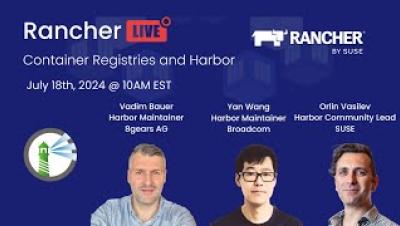
Rancher Live: Container Registries and Harbor

Join us for an insightful session on "Container Registries and Harbor," where we will be diving into the world of containerized applications and their management. Container registries are essential repositories that store, manage, and distribute container images, playing a crucial role in the deployment and scalability of applications across different environments.

Understanding and Troubleshooting Out of Memory Error Code 137

If you've encountered the dreaded "exit code 137" error message while working with Docker, Kubernetes, or other containerized environments, you're not alone. This error can be frustrating and difficult to troubleshoot, but understanding its causes and solutions can help you keep your applications running smoothly. This comprehensive guide will delve into the intricacies of error code 137, its common scenarios, and strategies to resolve it.

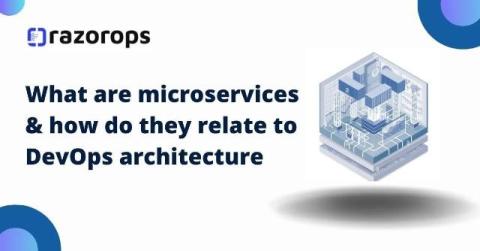
What are microservices, and how do they relate to DevOps architecture

Microservices are an architectural style that structures an application as a collection of small, loosely coupled, and independently deployable services. Each service in a microservices architecture focuses on a specific business function and communicates with other services through well-defined APIs, typically over HTTP/REST or messaging queues.

Beyond Booleans: How Feature Flags and OpenFeature Can Level Up Your Next Project

Feature flags are more than just on/off switches! In this meetup, we will be exploring a variety of creative ways to use feature flags in your projects. From making safer deployments to running A/B tests and gradually rolling out features, you'll see how versatile and powerful feature flags can be. We'll also introduce the OpenFeature standard, which makes implementing feature flags more streamlined than ever. Whether you're new to feature flags or looking to get more out of them, this session will provide practical insights and tips to help you take your projects to the next level.

Ephemeral Environments: Redefining Pre-Production with Natalie Lunbeck

Natalie Lunbeck of Shipyard explores how ephemeral environments can transform pre-production processes. Learn about the benefits of on-demand staging environments, enhanced testing, and cost control. Join the discussion on implementing these solutions to improve your development workflow.

Dos and Don'ts When Hiring Your First DevOps Engineer

DevOps is crucial for growing organizations, enhancing collaboration between development and operations teams to expedite deployment cycles and improve overall efficiency. Selecting the right DevOps engineer for your team, especially when new to DevOps, is vital. A poor hiring decision can significantly impact your organization, resulting in higher costs, inefficiencies, and missed opportunities.

Platform Engineering: The Bedrock of Modern Development with Eddie Wassef

Join Eddie Wassef, VP and Chief Architect at Vonage, as he takes you through his journey from the early days of software development to the forefront of platform engineering. Eddie discusses the evolution of software, the impact of open-source, and how modern developers can build efficiently. Perfect for tech enthusiasts, developers, and anyone interested in the history and future of software.

Lessons Learned from Accidental Open Source Success with Ryan Clements

In this video, Ryan Clements from Byte Bot shares his experience integrating Storybook and Next.js. Discover the lessons he learned about automation, documentation, and open-source community engagement. Whether you're a developer or interested in software engineering, this talk offers valuable insights.

Integration roundup: Monitoring the health and performance of your container-native CI/CD pipelines

Widespread adoption of containerized infrastructure has been closely followed by an explosion of container-native tools for each layer of the stack, including new solutions for managing CI/CD pipelines in container-based environments, such as the Argo suite, FluxCD, and Tekton. This is because these lightweight solutions make it easier to automate builds, testing, deployments, and more on Kubernetes, as well as other platforms that manage containerized workloads and services.

Most Common Migration Complexities When Moving From Heroku to AWS

When planning a migration from Heroku to AWS, it’s essential to grasp the complexities inherent in transitioning from a managed Platform as a Service (PaaS) like Heroku to the intricacies of Infrastructure as a Service (IaaS) provided by AWS. This shift demands not just an adaptation to a different architectural framework but also a strategic approach to overcome operational and technical challenges that can significantly affect both performance and cost efficiency.

Core CI/CD Concepts: A Comprehensive Overview

In the fast-paced world of software development, the ability to quickly and reliably deliver software is paramount. This need has led to the evolution of CI/CD—Continuous Integration, Continuous Delivery, and Continuous Deployment—practices that streamline and automate the development lifecycle. Below, we explore these core CI/CD concepts and related automation practices that are transforming the software industry.

The Hidden Costs of PaaS: Everything You Should Know

In the past decade, Platform as a Service (PaaS) has revolutionized the way companies deploy and manage applications. With promises of scalability, operational ease, and cost efficiency, PaaS attracted myriad businesses looking to leverage cloud technologies and reduce time to market. However, as these platforms have matured, many organizations have realized that PaaS, while powerful, is not without its pitfalls.

Testing and Quality Assurance Within a CI/CD Pipeline

In today’s fast-paced software development landscape, the need to deliver high-quality software rapidly and reliably is paramount. Continuous Integration (CI) and Continuous Delivery/Deployment (CD) have emerged as essential practices that enable development teams to meet these demands. Central to the success of CI/CD pipelines is a robust framework for testing and quality assurance (QA).

Rancher Live: Building for the edge

The rise of Edge deployments has changed the landscape of problems that enterprises face. The growing importance of zero-touch provisioning at the edge has caused a shift in how downstream workloads are deployed and configured. Low bandwidth and air-gapped scenarios have complicated the existing provisioning workflows, shifting the configuration burden from a post-deployment solution to the base image.

Mastering kubectl Scale Deployment: A Comprehensive Guide for Developers

Kubernetes has revolutionized how developers deploy, manage, and scale their applications. One of its key features is the ability to scale deployments seamlessly. This article explores various aspects of using the kubectl scale deployment command, including how to scale deployments up and down, scale all deployments in a namespace, managing replica sets, and more.

Shaping Tomorrow - Civo's Vision and the Future of Technology with Dinesh Majrekar

Join Civo CTO Dinesh Majrekar as he explores the future of technology and Civo's vision. His talk covers key industry trends, including the impact of the Silicon Valley Bank collapse, Broadcom's acquisition of VMware, and the rise of AI technologies like ChatGPT. Discover insights on sustainable growth, hybrid cloud environments, and the importance of sovereign clouds and green energy. Stay informed about the evolving tech landscape and how Civo is shaping tomorrow.

Bringing Real-time Ubuntu to Amazon EKS Anywhere customers with Ubuntu Pro

Earlier this year at Mobile World Congress (MWC) 2024 in Barcelona, Canonical announced the availability of Real-time Ubuntu on Amazon Elastic Kubernetes Services Anywhere (EKS Anywhere). With this technology enablement, a telecom operator can confidently run its Open Radio Access Network (RAN) software workloads on Amazon EKS Anywhere, thanks to the necessary support for ultra low-latency data processing with high reliability in Real-time Ubuntu.

EKS vs Cycle: Comparing Worker Nodes

Over the last few weeks I've been talking about the key differences between Amazon EKS and Cycle. If you happened to miss it and want to catch up before diving into this post you can check it out here: This post will round out the series by taking a look at how worker nodes are added to a cluster and the major differences between EKS and Cycle there.

Building a DevOps Culture: Tips for Small Engineering Teams

DevOps is essential for engineering teams looking to enhance collaboration, speed up development cycles, and maintain high-quality software delivery. Building on our previous discussion of common DevOps mistakes startups make, let's move on to ten practical strategies small engineering teams can adopt to foster a robust DevOps culture.

Top 7 best practices for monitoring your OpenShift environment

Red Hat OpenShift is an open-source container platform that provides a complete environment for developers to create, launch, and manage applications in both cloud and on-premises settings, leveraging the potential of container technology. With increasing popularity in container orchestration, OpenShift's strong scalability and features attract developers and IT experts. Nonetheless, the intricacy and changing aspects of OpenShift setups demand a tailored strategy for monitoring and observation.

An Introduction to CivoStack Enterprise - CivoStack's Impact and Innovations

In this presentation, Henry Godwin, former leader of VMware's Northern European Cloud Service Provider business, discusses the impacts of Broadcom's acquisition of VMware, the challenges faced by cloud service providers, and the innovative solutions offered by Civo and its CivoStack technology. Learn how Civo is reimagining cloud computing to provide simpler, faster, and better value services, staying true to the original promise of the cloud.

Three Common Ways Cycle Pays for Itself

In today's competitive and uncertain tech landscape, engineering organizations are constantly seeking ways to optimize costs without compromising on performance. Efficient resource management and cost reduction have become crucial for businesses aiming to stay alive and ahead. At Cycle, our goal is to offer a robust solution that enhances efficiency while delivering significant cost savings to our users.

5 Ways to Make Kubernetes Auditing an Effective Habit

Kubernetes has several components that produce logs and events containing information on everything that has happened in a Kubernetes cluster. Keeping track of all this data becomes extremely challenging when you run Kubernetes at a very large scale. With so many components generating logs, organizations need a centralized place to see it all. But this is only half your problem. You also need to correlate logs coming from different components to draw the right conclusions and take effective actions.

Beyond the Horizon: Navigating the Future of AI and ML Innovation Panel

In this panel Navigate Local discussion, industry experts Josh Mesout, James Gress, Brandon Dey, and Cate Gutowski explore the future of AI and machine learning. They discuss the shift from augmentation to automation in software development, the impact of open-source vs. proprietary models, and AI's role in democratizing access to technology. The panel also addresses concerns about AI's influence on human cognition and the importance of human oversight.

7 Common DevOps Mistakes to Avoid in 2024

Adopting DevOps practices can be a game changer for startups, offering a bridge between development speed and operational stability that can accelerate growth. Yet, many startups falter in their DevOps journey, making preventable errors that undermine their potential advantages. Let’s discuss seven common DevOps mistakes that startups make, providing practical insights on how to avoid these pitfalls and maximize the benefits of DevOps practices for startups.

Universal Microsegmentation for VMs and Containers

In the rapidly evolving landscape of IT infrastructure, enterprises are increasingly moving away from traditional virtualization platforms due to rising licensing costs and the limitations these older systems impose on modern cloud-native application needs. The shift towards Kubernetes, which can manage diverse workloads such as containers, virtual machines (VMs), and bare metal environments, accelerates the migration from traditional virtualization platforms.

An Introduction to Distributive Computing with Dan Desjardins & Jeroen van Bemmel

In this talk at the Navigate Local talk, Dan Desjardins and Jeroen van Bemmel from explore the potential of ubiquitous computing and compute economies. They highlight how harnessing idle compute power from everyday devices can transform the digital economy and benefit communities worldwide. Watch the live demo to see secure, distributed computing in action, and learn how this approach can reduce costs, improve efficiency, and promote sustainability.

Kubernetes Migration from Day Minus One (-1) to Day Two (2)

Kubernetes is now much past a hyped-up buzzword and has become nearly the de facto platform for microservices, enabling the flexibility and scalability modern engineering organizations require. It’s no surprise then that many organizations still running on legacy platforms are exploring how to migrate to cloud-native platforms like Kubernetes.

How to Ensure Continuous Kubernetes Reliability in 2024? With Komodor's Marino Wijay

In 2024 everyone already knows that deploying and managing a single vanilla cluster is pretty easy, but past a certain scale, things become messy and very unmanageable. Join Komodor's own Marino Wijay for an exclusive LIVE workshop focused on enhancing Kubernetes Reliability. In this session, we'll explore the tools and cultural shifts required for a successful implementation of Kubernetes, that actually delivers on its promised value!

Don't Like ArgoCD? Consider Qovery

ArgoCD is widely recognized for its GitOps-based approach to continuous delivery on Kubernetes. It provides powerful features for managing Kubernetes deployments, but its complexity can be daunting. If you’re looking for an alternative that offers a more opinionated, user-friendly approach with enough flexibility for custom configurations, Qovery might be the solution you need. Here’s why many DevOps engineers prefer Qovery over ArgoCD.

Why Our Users Love Our Product

At Qovery, our mission is to create a product that users truly love. Through years of collaboration with various companies and dedicated user feedback, we've identified key practices that help us achieve this goal. This article shares six actionable tips on building a product that delights our users and fosters solid and lasting relationships.

Navigating Kubernetes Contexts and Namespaces with kubectl

We all know that managing multiple Kubernetes clusters and their resources can be challenging. However, kubectl offers several context and namespace commands to simplify this process. This comprehensive guide will walk you through using various kubectl commands to manage your Kubernetes environments more efficiently.

3 Reasons to Migrate from Beanstalk to EKS

While AWS Elastic Beanstalk (EB) offers a convenient way to deploy applications, some limitations in customization and control can become a bottleneck for growing businesses. As the need for scalability, flexibility, and fine-grained management increases, Amazon Elastic Kubernetes Service (EKS) emerges as a compelling alternative.

An Introduction to CivoStack Enterprise

Traditional cloud solutions are typically bogged down by increasing costs, complex licensing, and vendor lock-in. From this, CivoStack Enterprise was developed as an innovative alternative that promises simplicity, speed, and exceptional value for money. Through this blog, we will take a look at the key aspects of CivoStack Enterprise and why it is the ideal choice for modern enterprises.

From Code To Cloud: Streamlining DevOps Workflows with Will Stewart

In this workshop, Will Stewart, co-founder and CEO of Northflank, walks you through deploying a web application with a Redis database to Civo Kubernetes using the Northflank platform. Learn how to set up a Kubernetes cluster, link GitHub for CI/CD, create production and preview environments, and streamline your DevOps workflows. Perfect for engineering teams looking to enhance their deployment processes.

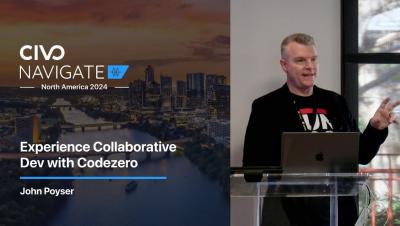
Experience Collaborative Dev with Codezero

In this workshop, John Poyser of CodeZero delves into the challenges of Kubernetes and how CodeZero's platform can simplify your development workflow. Watch as John provides a comprehensive live demo, shares insightful use cases, and presents a compelling case study from Civo, demonstrating the practical benefits and enhanced collaboration that CodeZero facilitates.

How Qovery Uses AI To Empower Developers

We're in 2024, and one thing has become clear: the future belongs to those who can harness the power of artificial intelligence (AI). At Qovery, we are at the forefront of this transformation, integrating AI into our internal developer platform to revolutionize how developers manage their application lifecycles. Our mission is to empower developers with autonomy, efficiency, and deep insights, ensuring they can focus on what they do best — building great software.