Operations | Monitoring | ITSM | DevOps | Cloud

The latest News and Information on DevOps, CI/CD, Automation and related technologies.

Peering Inside the Container: How to Work with Docker Logs

We live in a containerized world, and traditional monitoring and logging are being forever changed. The dynamic and ephemeral nature of containers creates new logging challenges. Docker addresses these in some ways. Docker Engine provides various logging drivers that determine where logs are sent or written to. The default driver for Docker logs is “json-file,” which writes the logs to local files on the Docker host in json format.

What to do when you lose logs with Kubernetes

Kubernetes has fundamentally changed the way we manage our production environments. The ability to quickly bring up infrastructure on demand is a beautiful thing, but along with it brings some complexity, especially when it comes to logging. Logging is always an important part of maintaining a solid running infrastructure, but even more so with Kubernetes. Because Kubernetes clusters are constantly being spun up, spun down, always in flux, making sure logging functions correctly is critical.

How should you structure your engineering team?

It’s been a few years since the “Spotify Model” became the latest trend for structuring an engineering team. But, like its predecessors, the model based on tribes and squads has some pitfalls. How to structure an engineering team is a question that’s been covered at length, from the strengths and weaknesses of common team structures to a matrix of organization based on risk and scale to why you should choose your own model.

Intro to k3s Lightweight Kubernetes Online training

Earlier this year, Rancher Labs introduced k3s, a new open source project which is a lightweight implementation of Kubernetes that is easy to install and can run on x86 and ARM infrastructure with only 512 MB of RAM required to run it. It is geared towards teams that need to deploy applications quickly and reliably to resource-constrained environments. Some use cases for k3s are edge, Single Board Computers, IoT, and CI.

Dynamic Kubernetes Informers

In the past I’ve written about how to use informers in Kubernetes for particular resources, but what if you need to be able to receive events for any Kubernetes resource dynamically? Well, there’s a client-go package for that too. At FireHydrant, we recently updated our Kubernetes integration to watch changes for any resource you configure and I wanted to write down how we made it at a high level.

Troubleshoot .NET apps with auto-correlated traces and logs

Collecting observability data like metrics, traces, and logs makes it much easier to identify bottlenecks and other performance problems in your .NET applications. When you need to troubleshoot a production incident, it’s especially important to be able to navigate all that data so you can find the source of the issue and enact a timely resolution.

And Then There Were Three -- IBM, VMWare, and Rancher

When we started Rancher in 2014, our vision was to enable enterprise IT to procure and utilize computing resources (“cattle”) from any infrastructure provider. We were extremely lucky to be able to leverage wonderful technologies like Kubernetes which made computing resources consistent across all infrastructure providers.

IaaS Resilience, which cloud platform is better? Azure or AWS?

Now this blog post is only going to cover the two largest cloud providers, Microsoft’s Azure and Amazon’s AWS and only focusing on Infrastructure as a Service (Azure VMs for Azure, and EC2 for AWS) offerings they both provide, but with a bit of a deep dive in to the way they both provide resilience.

AWS Cost Optimization: Top 5 AWS Cloud Cost Mistakes

What if we told you that most organizations are making simple AWS cost optimization mistakes that lead to surprising monthly cloud bills and unnecessary overspend? As an engineer, you’d probably be relieved to know that many of your organization’s AWS spending spikes are within your team’s control, given access to the right data.

The Quest to Eradicate Lingering VPCs

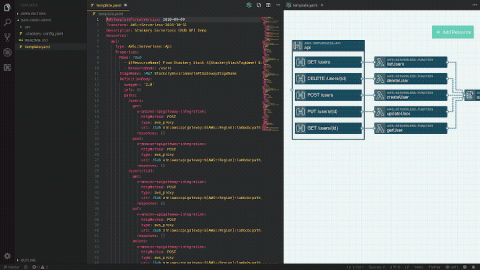
Cost is a big reason many dev teams are transitioning to serverless. However, there are still some ways costs can creep up on you in serverless apps. The biggest culprit I’ve found in my own experience is the VPC resource. Because adding a VPC to a serverless stack is ridiculously easy in Stackery, I’ve sometimes gotten carried away. I’d deploy a stack with a VPC for testing, then quickly forget about it.