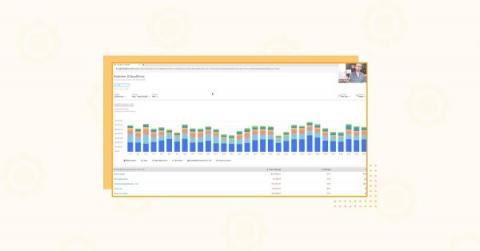
Resolve + Microsoft Azure Auto-Remediation Demo
In the demo we demonstrate how Resolve's Auto-Remediation process works when running in an Azure environment.


The latest News and Information on DevOps, CI/CD, Automation and related technologies.
It's almost Halloween, and we have a spooky and scary story for you. Don’t jump out of your seat, but did you know that most data centers are haunted and overrun by the undead? That’s right. Ghost servers (also known as zombie servers) are everywhere. In fact, up to 30% of servers in any data center may be ghost servers. Ghost servers are servers that are deployed in cabinets and powered on but are sitting idle without performing any useful function.
The Kubewarden development team is happy to announce the release of the Kubewarden 1.3 stack. In addition to the usual amount of small fixes, this release focused on the following themes. If you’re not familiar with Kubewarden, it is a policy engine for Kubernetes. Its mission is to simplify the adoption of policy-as-code.
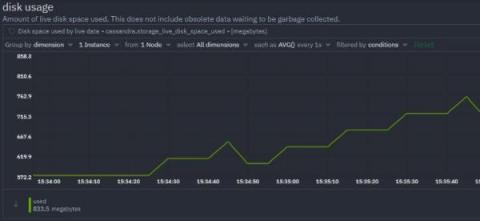
What are the important Cassandra metrics to monitor and how to monitor them.
For many organizations, making the most of the visibility Datadog offers into the health and performance of their infrastructure means displaying dashboards to stakeholders in various settings continuously and in real time. But the standard solutions for sharing dashboards to large-format displays can be onerous, involving sundry software and hardware and restrictive manual setups. These solutions can also pose significant security risks, since they tend to involve sharing passwords or devices.
You might think that colocation has been replaced by the cloud. But that’s only true in marketing terms. The reality is that colocation and the role it plays in modern edge computing has never been more important or more required. Believe it or not, cloud computing doesn’t happen in the actual sky – it happens in a data centre. And knowing where that data centre is, and how fast it links to your network and the internet, can be challenging with hyperscalers.
When it comes to cloud computing and the migration of services to the public cloud, we’ve been hearing the hype for years. “Just migrate to the cloud and everything will just work. Things will be bigger, faster, cheaper, and better.” The reality is that a migration to the cloud can result in serious disappointment from unrealistic expectations.