Operations | Monitoring | ITSM | DevOps | Cloud

The latest News and Information on DevOps, CI/CD, Automation and related technologies.

Kubernetes Community Days Munich Recap

A couple of weeks ago I had the absolute joy of attending KCD Munich for the first time, with my friend and colleague Guy Menahem (whom some of you know simply as The Good Guy on Twitter and YouTube). Besides rooting for Guy and his co-speaker, Arsh Sharma of Okteto, during their session on Backstage.io and IDPs, I enjoyed being untethered from ‘booth duty’ and free to engage with all the beautiful human beings that gathered together for this Kubetastic event!

What is Scalability?

The number of simultaneous requests that an application can successfully support is a measure of its scalability. The point at which an application can no longer successfully handle more requests is its scalability limit. When a key piece of hardware is exhausted and new or more machines are needed, this limit is reached. Scaling these resources can include any combination of CPU and physical memory (different or more computers), hard disc (larger hard drives, less "live" data, solid state drives), and/or network bandwidth (several network interface controllers, larger NICs, fibre, and so on).

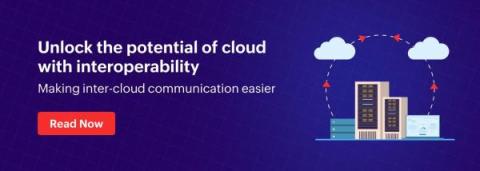
Cloud connectivity and interoperability

The post-pandemic world has transformed our work habits and the landscape of conducting business. Organizations now take the hybrid approach to work, wherein employees may work from an office, while travelling, or from a remote location. This fundamental shift has accelerated the pace of cloud adoption, as the cloud makes data access possible from anyplace, anytime. But the cloud brings with it a set of complexities that must be managed.

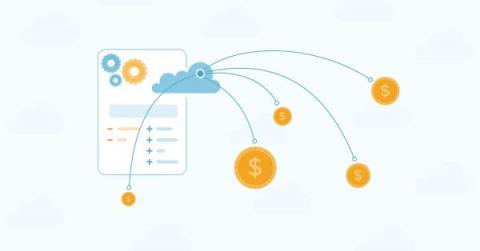
AWS Cost Allocation: A Guide To Allocating Cloud Spend

Picture this. Over 90% of organizations use the cloud in one form or another, according to O'Reiley's research. Cloud computing is so popular because of its flexibility. Because you can access cloud computing resources on-demand, you can automatically increase or decrease resource usage depending on your workload, which is incredibly appealing — and quite different from traditional IT infrastructure. In 2023, controlling cloud spend is one of the greatest challenges for cloud users today.

Using Helm Dashboard and Intents-Based Access Control for Pain-Free Network Segmentation

Helm Dashboard is an open-source project which graphically shows installed Helm charts, revisions, and changes to their Kubernetes resources. The intents operator is an open-source Kubernetes operator which makes it possible to roll out network policies in a Kubernetes cluster, chart by chart, and gradually achieve zero trust or network segmentation.