Alerting from first principles
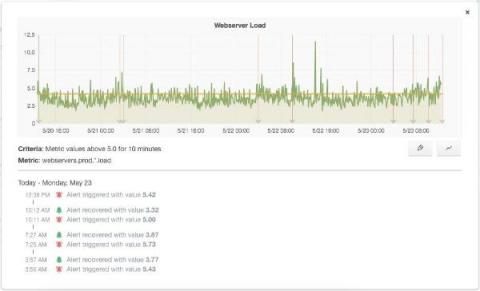
In this blog, we'll show you how Alerting for Graphite works. What do you need to look at when considering what you alert on, and where do those alerts go? An early warning system is only as good as its alarms.


In this blog, we'll show you how Alerting for Graphite works. What do you need to look at when considering what you alert on, and where do those alerts go? An early warning system is only as good as its alarms.
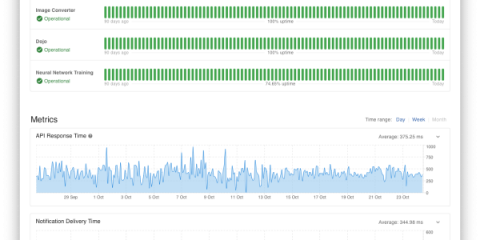
At ilert customers are already benefitting from our easy to setup private or public status pages and auto generated SLA uptime graphs for their business services. However, we decided to push the graph topic a bit further with custom metrics. Using ilert metrics customers can showcase additional business data and insights into their services on their status pages.
This post highlights some of the features and improvements that we have released in the last month. If you want to submit your own ideas or vote on existing feature requests, you can now use our new public roadmap at roadmap.ilert.com.
A global leader in SaaS-based and on-premise software solutions that power innovative digital experiences was looking to replace the internal tool that was being used for resolving outages, service degradation, data center connection loss, and other incidents.
According to Orca Security’s 2022 Cloud Security Report, 59% of respondents received over 500 alerts a day, with more than 42% of them being false positive alerts. And 62% of them said it has contributed to employee turnover. With numbers like this, it’s no wonder why developers dread the false positive alert. They waste time, energy, and money for everyone in every technology space, whether it is cloud or web services. It’s time to change that.