Mailchimp
Not subscribed to OpsMatters Newsletter


The GitKraken Git GUI now integrates with Trello as an issue tracker! You can now manage your Trello issues directly from the GitKraken ecosystem. This allows developers to stay focused on the lines of code in front of them, while also staying on top of personal and team assignments. You no longer have to leave the GitKraken Git GUI to do the following: *Paid features. The Trello integration isn’t the only treat you will enjoy courtesy of the GitKraken Git GUI v7.1 release.
One of the reasons companies practice Chaos Engineering is to prevent expensive outages in retail (or anywhere, for that matter) from happening in the first place. This blog post walks through a common retail outage where the checkout process fails, then covers how to use Chaos Engineering to prevent the outage from ever happening in the first place. Let’s dive in. Maybe you’ve been there.
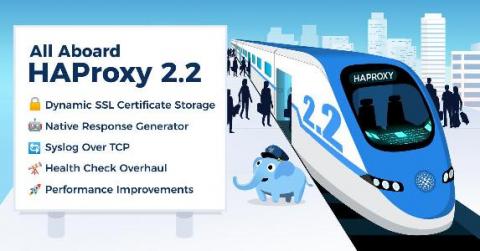
HAProxy Technologies is excited to announce the release of HAProxy 2.2, featuring a fully dynamic SSL certificate storage, a native response generator, an overhaul to its health checking system, and advanced ring logging with syslog over TCP. Watch our on-demand webinar Ask Me Anything About HAProxy 2.2. If you missed the webinar about HAProxy 2.2, you can watch it on-demand as well.
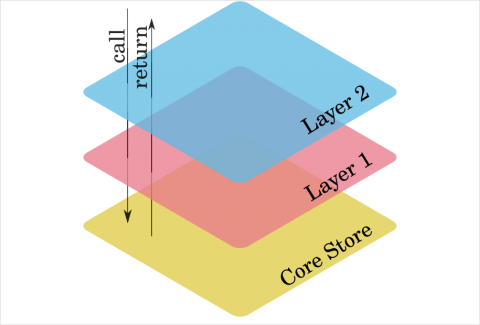
One of the most important parts of the Mattermost source code is the one responsible for accessing the Mattermost database: the store. Every single database access is handled by the store, so we needed to find a way to extend its functionality while introducing as little complexity as possible. This is the reason behind the current layered approach using struct embedding.
At Lumigo, we recently ran into some issues with a service we built on top of our Nodejs AWS Lambda handler. These issues were the result of lambda execution leaks from within our serverless code. In this article, I’ll explain about node.js lambda execution leaks and how to avoid them.
We are delighted to announce our new PagerDuty integration for Salesforce Cloud. This integration empowers Customer Service, Engineering, and IT teams to proactively resolve customer issues in real time by improving communication and collaboration.
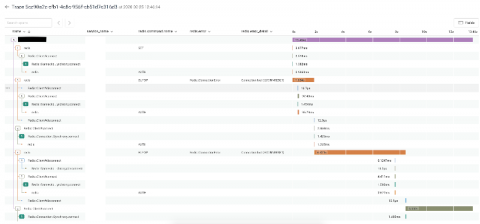
This is the story of how I used Honeycomb to troubleshoot redis/redis-rb#924 and discovered a surprising workaround.
This post is the second in our Kubernetes observability tutorial series, where we explore how you can monitor all aspects of your applications running in Kubernetes, including: We’ll cover using Elastic Observability to ingest and analyze container metrics in Kibana using the Metrics app and out-of-the-box dashboards.