Mailchimp
Not subscribed to OpsMatters Newsletter


Node.js is a popular choice for creating a scalable and highly performant web app. Its event-driven, non-blocking I/O model makes it well-suited for building real-time, data-intensive applications. Maintaining the health of your Node.js app includes monitoring and tracking several metrics over time to better understand how your app is performing. Monitoring your application's health is important to ensure its smooth operation and a good user experience.
In recent years, data science, AI and software development have become a key focus area for organisations operating in every sector of the economy. This creates a pressing need to adopt Linux desktops in the enterprise, as research clearly shows a growing number of data scientists and developers prefer operating systems like Ubuntu.
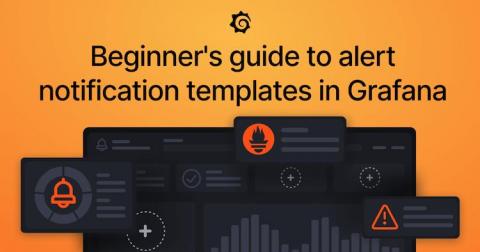
We often see questions about how to template alerts. In Grafana, you can template information about your alerts with custom labels and annotations, and you can also template how notifications look and what information they contain with notification templates. Many users confuse the two, despite being separate features with different use cases.
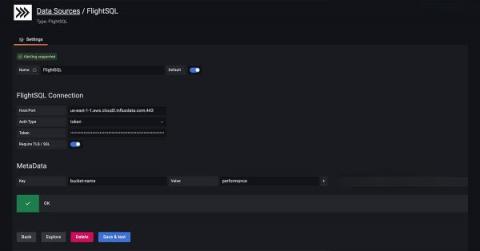
This article was originally published on Medium.com and is reposted here with permission from the author. Trying to connect Grafana & InfluxDB IOx? Follow this tutorial to learn how.
When it comes to time-sensitive events, instant, reliable communication is key. In the past, pagers were relied on for quick communications as they allowed people to communicate on the go and without access to a landline. But today, the availability of cellphones has made the portability of communication devices a standard feature, and communication technology has advanced significantly, begging the question – What is the use for pagers today?