Mailchimp
Not subscribed to OpsMatters Newsletter


Change is the only constant in software, and few languages change like JavaScript. In just the last few years, we've had the rise of TypeScript and React, dozens of new frameworks, and Node.js has brought us over to the server-side. Google's V8, which powers Node.js, is one of the fastest JavaScript engines in existence. In simple benchmarks, well-optimized JS executed by V8 often performs almost at the same speeds as famously fast languages like C++. And yet, Node applications often seem to be pretty sluggish. This post aims to guide you through the process of measuring and improving Node.js performance.
As more organizations embrace the advantages offered by AIOps platforms to more effectively and efficiently monitor and manage their technology estates, ScienceLogic wanted to get an objective sense of the reasons and results behind their decisions. We get a lot of feedback from our customers, and it plays an important role in how we work with individual organizations, but it's hard for a vendor to get reliable information. So we reached out to venerable technology research firm Forrester and commissioned them to survey AIOps users to learn things like why they decided to adopt AIOps, how far along the path to maturity they are, and what features and capabilities they are taking most advantage of.
C# is a widely used programming language in enterprises, especially for those that are heavily Microsoft-dependent. This language comprises a lot of tools with individual strengths. Here, we list C# tools for IDEs, profilers, automation tools, and more. If you build apps using C#, you most likely use Visual Studio and have explored some of its extensions to supercharge your development. However, this list of C# tools might just change the way you write C# code for good.
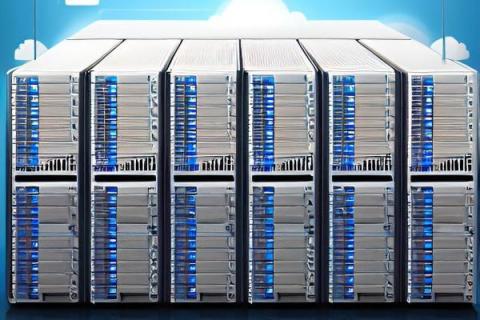
Azure Virtual Machines (VMs) represent the power of cloud computing, making the infrastructure of the digital age accessible to every business. With Azure VMs, Microsoft has democratized access to virtualized environments, allowing businesses to focus on building their applications without worrying about the underlying hardware. Azure VMs are a part of Microsoft’s Azure platform, one of the most comprehensive cloud platforms on the market.
We are always trying to lower the barrier to entry when it comes to monitoring and observability and one place we have consistently witnessed some pain from users is around adopting and approaching configuration management tools and practices as your infrastructure grows and becomes more complex. To that end, we have begun recently publishing our own little example ansible project used to maintain and manage the servers used in our public Machine Learning Demo room.
When it comes to monitoring IT infrastructure, the costs you see on the price tag of the tool are often just the tip of the iceberg. Below the waterline, a mass of hidden costs can lurk, which can significantly affect the total cost of ownership. In this blogpost we will cover the analysis of two traditional monitoring domains, Open Source observability and Commercial Centralized observability solutions, focusing the direct and indirect impacts when implementing these solution.
Discover the alarming truth: over 80% of users choose to suffer in silence, never reporting the tech issues they encounter. Meanwhile, many companies rely on Application Performance Monitoring (APM) tools, assuming they have a watchful eye on their systems. However, a critical blind spot persists, particularly when it comes to detecting and alerting you about problems lurking within Microsoft 365’s cloud-based applications.
Container monitoring refers to the process of monitoring and managing containers deployed within a containerization platform, such as Docker or Kubernetes. As containerization has become increasingly popular in software development and deployment, monitoring and managing containerized environments has become increasingly important.