Operations | Monitoring | ITSM | DevOps | Cloud

Latest posts

Unlocking Customer Service's Full Potential with Generative AI - Infraon

Want to stay ahead of the competition? Discover the most effective ways to use generative ai in customer service! Welcome to our latest video of generative Artificial Intelligence (AI) and its game-changing impact on customer service interactions. As customer expectations evolve, businesses must explore innovative solutions to provide efficient, personalized, and engaging support experiences. Enter generative AI - a powerful technology that can revolutionize the way you connect with your customers!

How to upgrade from Aiven Free Tier

In this tutorial, we'll guide you through the process of upgrading services on the Aiven platform, empowering you to enhance the performance and capabilities of your databases. Upgrading services is essential for keeping your system up to date, benefiting from new features, and ensuring optimal performance. We'll explore how to initiate and manage service upgrades on Aiven, whether it's scaling your service, migrating to a new version, or upgrading your service plan.

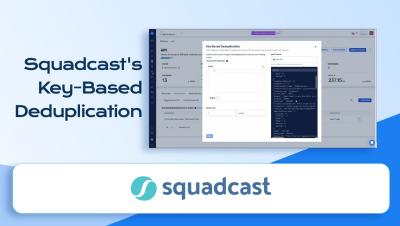
How to use Key-Based Deduplication in Squadcast | Deduplication Rules | Squadcast

Key Based Deduplication is an efficient way to avoid duplicate entries when processing incoming Events alongside existing Incidents. It generates a Deduplication Key using a user-defined template specific to events from an Alert Source. This key helps identify and group duplicates. This video explains how does Key Based Deduplication work and how to set it up effectively.

Helm Dry Run: Guide & Best Practices

Kubernetes, the de-facto standard for container orchestration, supports two deployment options: imperative and declarative. Because they are more conducive to automation, declarative deployments are typically considered better than imperative. A declarative paradigm involves: The issue with the declarative approach is that YAML manifest files are static.

Introducing Error Groups to the Raygun API

We’re excited to announce an important extension to our API. After rigorous research, testing, and feedback, we’ve launched the Error Groups endpoints. This powerful new addition aims to enhance your monitoring experience and better handle errors across your applications. Our primary aim with the introduction of these endpoints is to offer you a more detailed view into your applications’ error groups, and to offer a way to update their statuses using the API.

Cloud Repatriation: The Unforeseen Reversal in Cloud Computing Trends

At first glance, this may appear counterintuitive. After all, aren’t public clouds lauded for their scalability, flexibility, and cost-efficiency? However, a closer examination reveals a more nuanced reality. This article delves into the driving forces behind cloud repatriation, helping you determine whether it might be the right fit for your organization.

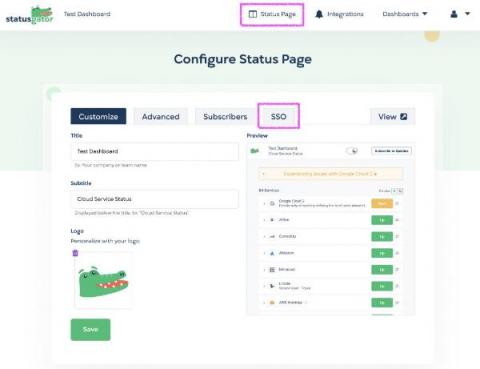
New Feature: Enhance Security with Status Page SSO

We’ve heard your feedback and it’s here: Status page SSO is now available on our Enterprise plan. Status Page Single Sign-On (SSO) empowers StatusGator customers to safeguard their status pages through a seamless Single Sign-On experience. You can now restrict access to your status page to only your team, employees, or users who have SSO access through your organization’s identity provider.


Getting started with Grafana Loki (Grafana Office Hours #09)

Senior Principal Solutions Engineer Ward Bekker talks about getting started with Grafana Loki: what Loki is, why you need log aggregation, and how it fits into the rest of the Grafana stack. He is joined by Developer Advocates Paul Balogh and Nicole van der Hoeven to tell you everything you need to know about Loki.