Operations | Monitoring | ITSM | DevOps | Cloud

Intro to Kubernetes and Rancher Online Training - December 13, 2018

This free online training is aimed at users new to Kubernetes, or those interested in using Rancher to easily deploy and manage Kubernetes clusters. These sessions demo Rancher, an open-source platform for deploying and managing Kubernetes clusters across the cloud or on-prem.

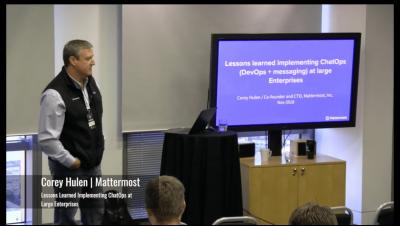
Lessons learned implementing ChatOps (DevOps + messaging) at large Enterprises - Corey Hulen

Email overload, distributed teams and excessive meetings have caused many organizations to move their DevOps teams to messaging platforms and thus adopt ChatOps workflows. With thousands of open source installs and hundreds of customer implementations, we have a few lessons to share on interesting DevOps workflows, how incidents can be effectively communicated across distributed teams and what messaging in secure and regulated environments should look like.

Citrix Cloud 101: Key Questions Every Citrix Admin Wants Answered

A few weeks back, eG Innovations collaborated with David Wilkinson and conducted a webinar on the topic “Is Citrix Cloud Enterprise Ready? Best Practices to get the Most Out of Citrix Cloud Deployments.” Citrix Cloud implementations are growing in the industry today, and as organizations begin evaluating their cloud options, Citrix administration teams want to understand how Citrix Cloud will sustain, scale and be supported in lieu of on-premises Citrix deployments.

Unleash the Power of Anywhere IT Ops with Enterprise Alert and its Mobile App

When we introduced ‘remote actions’ in 2012, i.e. the execution of IT automation tasks from your smartphone, we aimed at empowering the mobile (IT) workforce of the future. We aimed at relieving IT people from being bound to their desks, notebooks and PCs.

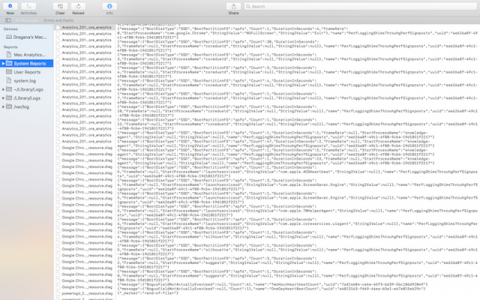
How to Read Log Files on Windows, Mac, and Linux

Logging is a data collection method that stores pieces of information about the events that take place in a computer system. There are different kinds of log files based on the kind of information they contain, the events that trigger log creation, and several other factors. This post focuses on log files created by the three main operating systems--Windows, Mac, and Linux, and on the main differences in the ways to access and read log files for each OS.

Dynamically Provisioning Local Storage in Kubernetes

At LogDNA, we’re all about speed. We need to ingest, parse, index, and archive several terabytes of data per second. To reach these speeds, we need to find and implement innovative solutions for optimizing all steps of our pipeline, especially when it comes to storing data.

Infrastructure-as-Code Is The New Assembly Language For The Cloud

My career as a software engineer started in 2007 at Purdue University. I was working in the Linux kernel and researching how data was shuffled between the kernel and the user application layers. This was happening in huge clusters of machines that all talked to each other using OpenMPI — how supercomputers, like those at Los Alamos National Labs, operate to perform their enormous calculations around meteorology, physics, chemistry, etc.