If you’ve been reading our recent automotive blogs and white papers, you know that the automotive industry is highly complex and regulated, especially when it comes to functional safety and cybersecurity. Standards and consortiums help ensure that companies provide a common framework and follow compatibility and interoperability approaches. Usually, these standards define constraints in how specific components and systems are designed or how they should work together.
SCCM is one of the most business-critical applications—a must have on all the devices. Administrators use SCCM for endpoint protection, software distribution, and patch management. Any machine where the SCCM client is not functioning will be unable to receive necessary policies or application updates, which can create a significant vulnerability for your organization because this leads to compliance and security issues.
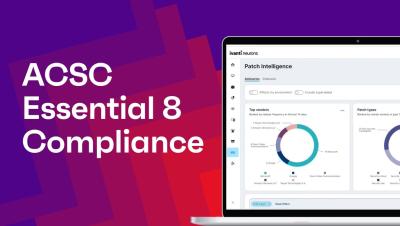
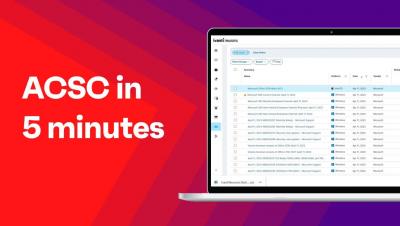
Software patching is the important process of deploying updates. These updates are often released to resolve security vulnerabilities and exploits that could lead to a cyberattack. In fact, many high-profile cyberattacks could have been minimized or avoided altogether if not for unpatched software -- which is why patch management is a critical part of cybersecurity best practices and compliance. As cybersecurity regulations continue to roll out, new standards are being created for patch management.
In CFEngine Enterprise we collect information from each system in the infrastructure as inventory. Some inventory is available by default, and more can be added using modules or writing policy. You can use inventory information to create a Compliance Report with checks that determine if the information complies with your security requirements. In this blog post, we will use some modules from CFEngine Build which provide inventory data, and build a Compliance Report on top of those.