Operations | Monitoring | ITSM | DevOps | Cloud

Automating serverless workflows with Amazon EventBridge

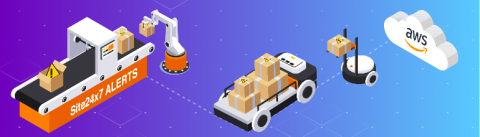
Event-driven applications have become the foundation for developing modern digital applications. Application workflows are easier to automate with serverless frameworks, and Amazon EventBridge has revolutionized the way serverless applications are built. Since serverless is the new cool kid in the town, there has been a lot of infrastructure reengineering. This blog describes how alert-driven business logic can automate serverless workflows using Amazon EventBridge.
Migrating Grafana's template variables from AngularJS to React: A tale of failures and wins

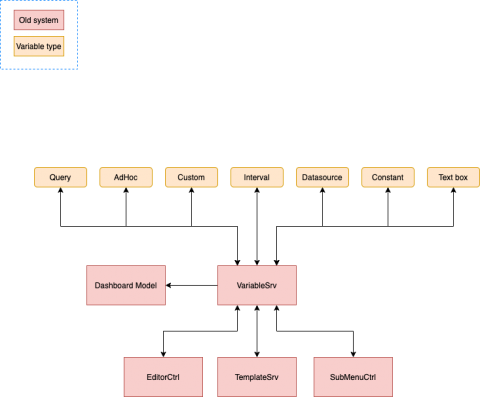
As many of you already know, we created Grafana using AngularJS, but we have been migrating to React for about two years now. One of the big missing pieces in our migration puzzle was the templating system. This post starts in late 2019 when I first got my hands on this mysterious and complex area of the Grafana code base.

Self-Hosted Sentry switching to CalVer

Since the beginning, Sentry has adopted SemVer (semantic versioning) for all of its open source releases — major versions indicated breaking, backward-incompatible changes; minor versions meant new features, and patch releases were bug fixes only. This process worked fine for a long time. As the open source project evolved and grew into Sentry.io – our SaaS offering – the development team switched to a continuous delivery model.

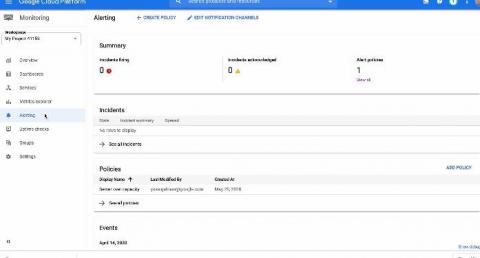
Introducing Pub/Sub as a new notification channel in Cloud Monitoring

Around the world, operations teams are working to automate their monitoring and alerting workflows, looking to reduce the time they spend on rote operational work (what we call “toil”), so they can spend more time on valuable work. For instance, Google’s Site Reliability Engineering organization aims to keep toil below 50% of an SRE’s time, freeing them up to work on more impactful engineering projects.

Aggregating and Visualizing Data with Kusto

Got the basics down and ready to move on to more advanced aspects of Kusto? You’ve come to the right place! Here you will learn how to use aggregation functions, visualize query results and put your data into context. If you’re just getting started with Kusto, check out our ‘Jumpstart Guide to Kusto’ before starting on this one. Let’s get into it!

Upgrade Your K3s Clusters Smoothly in Rancher 2.4

In Rancher 2.4, the latest release of Rancher Labs’ open source Kubernetes management platform, you can now manage K3s cluster upgrades from the Rancher UI. K3s is a lightweight Kubernetes distribution from Rancher that you can use to set up your development Kubernetes environment within minutes. It is great for production use cases and is built primarily for IOT and Edge devices. In Rancher 2.4, you can import K3s clusters and can manage the upgrades for it via Rancher itself.