Operations | Monitoring | ITSM | DevOps | Cloud


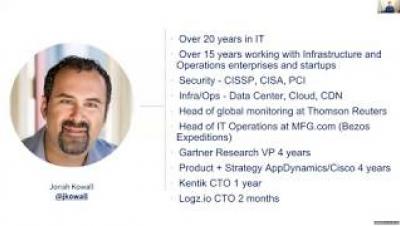
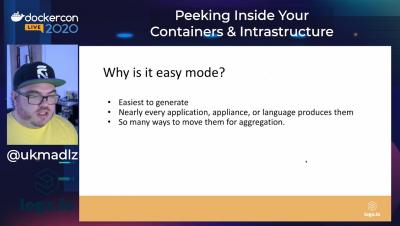
Peaking into your container and infrastructure

Site24x7 - The Full-stack Performance Monitoring Solution for DevOps and IT Operations.
No room for downtime during lockdown
As of the beginning of June, even though some countries have started to slowly come out of lockdown, one-third of the world’s population is still at home in quarantine – a fact that is truly astounding. Never has reliable access to connected systems been so critical to the ongoing productiveness, emotional wellbeing, and even the survival of individuals and companies worldwide.
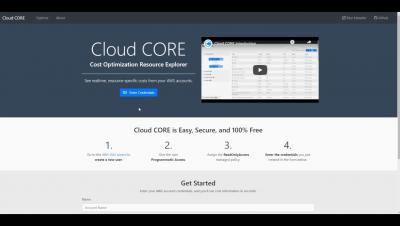
Cloud CORE Introduction
JFrog Pipeline AWS Only

Living Life at the Edge - An Interview with Dmitriy Akulov
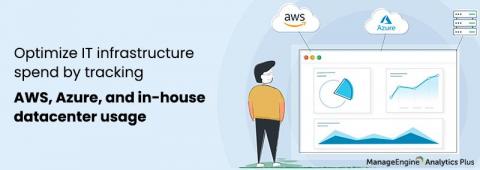
Infrastructure dashboards: Declutter your monitoring data and ensure you're not overspending
The task of monitoring and managing an entire network, including all the servers and applications that run on it, is by no means easy. With so many components of varying complexity, the volume of performance data coming at you can be overwhelming. This information overload increases the chances of missing data that could help discover performance inefficiencies.
Deploying a Containerized App in Google GKE
Because of its popularity and widespread adoption, Kubernetes has become the industry’s de facto for deploying a containerized app. Google Kubernetes Engine (GKE) is Google Cloud Products’ (GCP) managed Kubernetes service. It provides out-of-the-box features such as auto-scaling nodes, high-availability clusters, and automatic upgrades of masters and nodes. In addition, it offers the most convenient cluster setup workflow and the best overall developer experience.