Spring cleaning for companies
Spring is often synonymous with renewal. It’s a good time of year to tidy up and clean up. So why not take advantage of the beautiful spring sunshine to make some changes in your business?


Spring is often synonymous with renewal. It’s a good time of year to tidy up and clean up. So why not take advantage of the beautiful spring sunshine to make some changes in your business?
Telemetry data can provide businesses with valuable insights into how their applications and systems are performing. However, leveraging this data optimally can be a challenge due to data quality issues and limited resources. Our recent webinar, "Unlocking Business Performance with Telemetry Data", addresses this challenge.
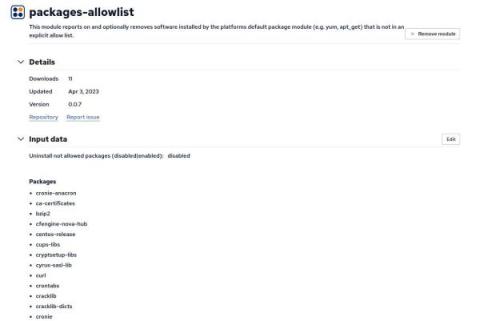
Having a list of software that is allowed to be installed on a host is a strategy to prevent and fix security gaps and maintain compliance with operational guidelines. This zero-trust methodology ensures that only explicitly permitted applications are allowed to be present on a host unlike package block-listing which enumerates an explicit list of software that is not allowed to be present. In fact, with a software allow-list, you are essentially block-listing everything except the software you allow.
As companies navigate geopolitical challenges, macroeconomic headwinds, and the post-pandemic comedown, business leaders face intense pressure to drive software transformation, reduce costs, and compete faster in the cloud-transition era of “lift and shift.” Amid layoffs and a slowed pace of hiring, the demand for better tools, real-time insights, seamless experiences, and contextual analysis has skyrocketed.
In today's digital age, IT departments play a crucial role in maintaining the overall functionality and security of an organization. One essential tool for managing service outages and downtime is the incident response playbook. This comprehensive guide provides IT departments with the necessary processes and strategies to resolve incidents in a timely and efficient manner.
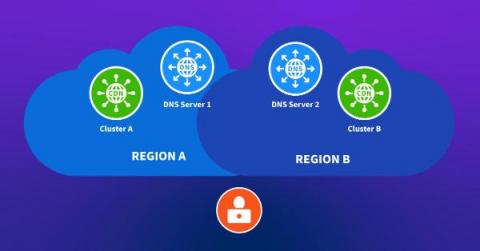
Content delivery networks are an important part of the internet, as they ensure a short path between content and the consumers. The idea of placing CDN caches inside ISPs networks was created early in the days of CDNs. The number of CDNs with this offering is growing and ISPs all over the world take advantage of the idea. This post explains how this works and what to look out for to do it right.