Rollbar Acquires Hungary-Based Samebug
Acquisition Further Deepens Rollbar's Expertise in Grouping and Allows for Integration of Proprietary Samebug Technology Into its Error Monitoring Solution.


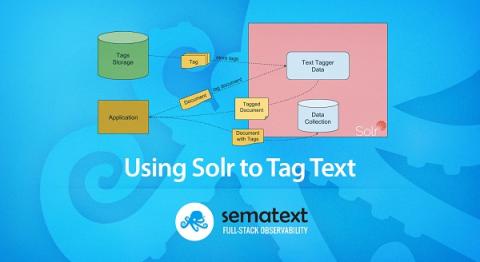
Over the years, natural language processing, in the world of search, went from interesting detail to a must have, especially in areas such as e-commerce. Engineers started incorporating classification, synonym generation, named entity recognition and much more into their search systems giving users better search results and in some cases leading to more revenue.
Peanut butter and jelly, donuts and coffee, Wendy’s Frosties and french fries — these combinations just work. We don’t ask why; we accept nature’s gift and enjoy. We hope you also accept and enjoy our gift of another great pair: Sentry and GitLab. In fact, Sentry and GitLab already go together so well that users who have installed this integration successfully resolve issues triaged in-platform 73% of the time.
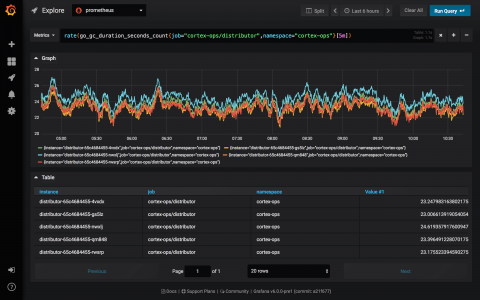
v6.0 Stable released! GrafanaCon LA is underway! Check out the live stream on the Grafana youtube channel. I am proud to announce that we are releasing Grafana v6.0 stable today. Before every major release I feel super excited about the progress that has been made and with this release, this is especially true.
Citrix Virtual Apps and Desktops deployments are performance sensitive. There are many components both datacenter-side and client-side which must be optimally performing together to deliver a consistent and performing virtualized apps and desktops solution. With many different components in play, it can often be a challenging task for a Citrix administrator to determine the impact or cause of a Citrix related problem. Citrix troubleshooting nevertheless becomes challenging.
In order to analyze logs efficiently, they must be structured effectively. Often, logs from different sources label data fields differently and/or provide data that’s completely unstructured. The problem is that both types of data need to be structured appropriately in order to key in on particular elements within the log data, such as: Monitoring on source address, Applying rules associated with user names, and Creating alerts for destination addresses.
When logging applications to a centralized location like LogDNA, developers have two options: using a logging agent or using a logging library. Both approaches will get your logs to their destination, but choosing one over the other can have a significant impact on the design of your applications and infrastructure. In this article, we’ll explain the difference between logging via agents and logging via libraries, and which approach works best in modern architectures.
Uptime Robot treats all HTTP statuses equally. They mean either up or down… except HTTP 401. HTTP 401 is expected in some situations and not expected in others. Currently, HTTP 401 is handled as...