The latest News and Information on Monitoring for Websites, Applications, APIs, Infrastructure, and other technologies.
This is the first in a series on server monitoring. The primary focus of these posts is monitoring in a *nix environment. Monitoring servers is important. Whether it be finding an issue in a test environment prior to deploying or debugging an issue in production, we need access to information on our server to be able to tease apart what went wrong.
Ahoy there. Continuous shipping: a concept many companies talk about but never get around to implementing. In the first post of this three-part series, we discussed the use case for continuous shipping. Let’s move on to part two: the integration and deployment stages of the continuous shipping process. Part three will wrap up the series with a look at the monitoring and feedback phases. All aboard that’s coming aboard.
Citrix Director is a web-based monitoring console for Citrix XenApp and XenDesktop virtualization platforms that allows administrators to control and monitor virtual applications and desktops. Starting with version 7, Citrix Director is the default management tool, replacing the erstwhile Citrix EdgeSight.
Today we’ve introduced an overhaul of our reporting tool which will make it much easier to get the exact data you want sent out to the people who need to see it. Previously it was only possible to send an automatic report for all uptime tests in your StatusCake account.
Data safety is a major concern for users when surfing the Internet. The complete knowledge of what their computer is sending across the browser to the website they are visiting might not always be clear to most users, but the reassurance that that data is in safe hands and will not be misused is sufficient.
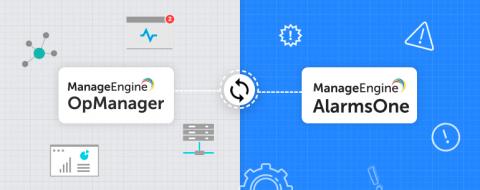
OpManager helps enterprises monitor their network, devices, servers, firewall, and more. While all this helps keep your systems up and running at all times, effectively managing alerts is another challenge altogether. If you’re using a number of IT management tools, it can be hard to address issues like alert noise, inflexible on-call scheduling, and escalations.
Among other terms under the umbrella concept of cloud computing, we can find the Serverless technology which we have witnessed its growing popularity in the last three years. In principle, the cloud computing concept covers three levels of service: IaaS, Paas and SaaS.
Last week the “beta” tag officially came off of Checkly ! I bumped into many things in the period between launching a private beta and hammering down on all features and ripping the beta notice of the nav.navbar. In this post, I tried to funnel a bunch of these learnings into a somewhat logical order, as they felled like hoops I had to jump through to get to the next hoop.
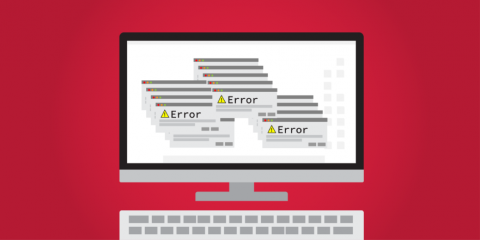
Not all problems or issues in web development can be detected during development or testing. There are even web application errors that are hard to catch like runtime errors. Most PHP developers or server administrators will just look at the web server or database logs once an issue arises. They would just grep the logs for errors or timestamps in which the error occurred. This method of troubleshooting PHP problems requires a high technical skill and would take a long time to find the root cause.