The latest News and Information on Monitoring for Websites, Applications, APIs, Infrastructure, and other technologies.
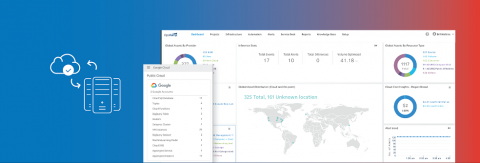
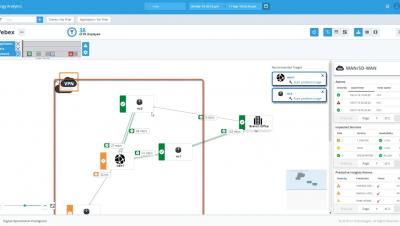
This is the third of a three-part series on how OpsRamp helps enterprise IT operations team manage the challenges of migrating to the cloud. Read part one here and part two here. Now that migration is complete, IT organizations will be responsible for monitoring and managing a mix of hybrid, multi-cloud resources across a distributed footprint. OpsRamp ensures comprehensive visibility, rapid remediation, and constant optimization for these dynamic, multi-cloud environments at scale.
If you run a SaaS, you probably want to show your users when they are almost running out of widgets. Or that they can get some cool feature on a more expensive plan. Or, in other words, how can you be nice and commercial in dealing with plan limits. Last week we already looked at how we manage plans & features for Checkly. That write up was very back end focused, so this week I wanted to dive deeper into how we actually show this to our users in a friendly way.
So you’ve managed to create a truly engaging website with the right content and media and you’re promoting it through the proper channels. But sadly, even after making all the “seemingly” necessary efforts your website isn’t getting the attention it should. Well, have you checked if you’re making the right SEO efforts?
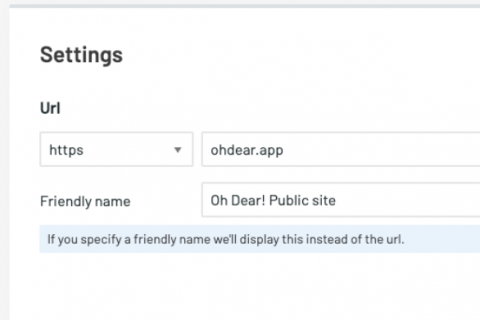
We've added the ability to show a "friendly name" for your sites, instead of the domain and the URL associated with it. For each website, you can configure the display name that we should use to present the website.
On this episode of Exception Perceptions, Tammy Butow, Principal SRE at Gremlin and creator of the popular O’Reilly Chaos Engineering Bootcamp, helps us organize our thoughts on Chaos Engineering. Watch the episode, and read more of Tammy’s suggested practical ways to perform Chaos Engineering. Then go and get all of her Chaos Engineering resources.
Learning to build webapps is an exciting process, but it comes with its own set of challenges. As a newer developer, deciding what programming language will bring your big idea to life is a common challenge. There are lots of terrific choices for building webapps on the market. Today, we’ll focus on two of 2019’s most popular options: Node.js vs Python.
“Always design with the customer in mind,” they say. “We listen to our customers,” they say. And they’re right. But why not actually ask the customers what they want and just build what they’re asking for? “We might be driven off-track if we implement what our customers want.” This may come up as an argument to stick to the vision path and never deviate from the roadmap. However, in the end, aren’t we trying to build something for the customers?