Operations | Monitoring | ITSM | DevOps | Cloud

The latest News and Information on Monitoring for Websites, Applications, APIs, Infrastructure, and other technologies.

JMX monitoring + Java custom metrics.

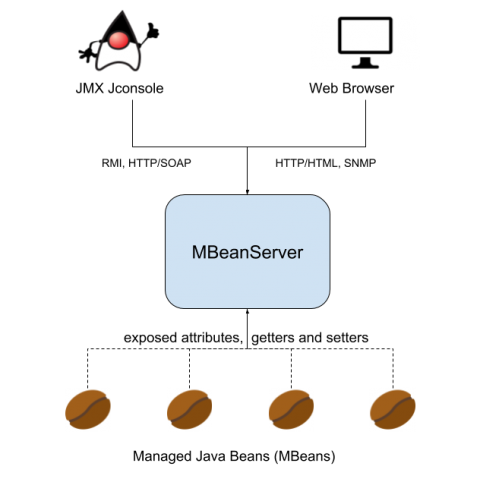
In this tutorial we are going to learn how to instrument Java code to expose application metrics using JMX monitoring. Following the code examples, you can monitor the availability, health and performance of your Java application. Java 1.5 introduced JMX – Java Management eXtensions – which is a standard way to instrument code in the JRE world.

The Trade Desk: Lessons We Learned Migrating from Homegrown Monitoring to Prometheus

The Trade Desk provides a self-service, cloud-based platform for buyers of online advertising. Since its founding in 2009, TTD has grown into a publicly traded company with more than 900 employees and a market cap of $8.89 billion. The company recently moved from an old monitoring system based on Nagios, Graphite, and a number of homegrown pieces of software, to something more standard, based on Prometheus.

Splunk Cloud vs. Loggly: 2019 Speed Test

The core ability to search through logs quickly and intuitively is the most important feature a log management system brings to the table. Being able to quickly and efficiently search through logs generated by an infrastructure stack allows DevOps professionals to rapidly find and address problems, as well as confirm deployments and configuration changes. Because raw speed has such a direct impact on the usefulness of these products, we will compare to see which performs the best.

451 Research and IDC Call Out OpsRamp's Innovations for Service-Centric AIOps and Hybrid Cloud Management

The second quarter of 2019 started with a bang for OpsRamp, with recognition from two independent analyst firms, 451 Research and IDC. Three recent analyst reports highlighted OpsRamp’s modern digital and IT operations management platform for dynamic performance insights and maximum visibility.

From SRE to QE - Full Visibility for the Modern Application in both Production and Development

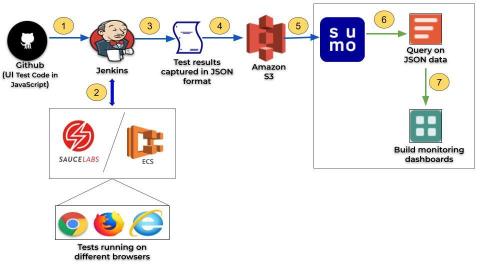
Site reliability engineers (SREs) rely on monitoring and analytics tools like Sumo Logic to guarantee uptime and performance of their applications and various components or services in production. The ability to visually monitor, automatically generate alerts and efficiently troubleshoot an issue in real time has become table stakes for any modern SRE team.

Monitoring Kubernetes + Docker, part 3: Sensu + Prometheus

In part 1 of this series, we discuss the rise of Kubernetes and Docker for containerization and container orchestration. I also shared some of the challenges these new technologies present and what sources of data we use to monitor Kubernetes. Part 2 dives into collecting Kubernetes data with Prometheus, plus the pros and cons of that approach. As promised in the conclusion of that post, I’ll address those cons — showing how Sensu and Prometheus form a complementary solution.

Introducing the Sentry Integration Platform

Since Sentry started, people have been asking us to build integrations for their favorite services. We get it — developer tools are always better when they work together. As Socrates said, teamwork makes the dream work. We like to help out, and that’s why today we’re launching the Sentry Integration Platform. Now you have the power to build the kind of integrations you want to see in Sentry. No need to wait around for us to do it.

Monitoring Automation with Icinga - The Director

I’m not going to list all benefits of automating your monitoring system. If you’re here and reading this, you are most likely very aware that maintaining a large infrastructure is a big challenge. Automating the monitoring process for a huge amount of servers, virtual machines, applications, services, private and public clouds was a main driver for us when we decided to build Icinga 2. In fact, monitoring large environments is not a new demand for us at all.