Operations | Monitoring | ITSM | DevOps | Cloud

CI/CD for Jira - The Jira DevOps Tool for Git

The team at GitKraken is thrilled to announce a brand new, free extension for Git Integration for Jira, the top-rated tool on the Atlassian Marketplace for using Git with Jira. Now, users can enhance their Jira DevOps workflow with build and deployment data directly in Jira Cloud. The CI/CD for Jira extension will allow teams to seamlessly connect data from their CI/CD pipeline with Jira Cloud.
InfluxDB Cloud Native Collectors, Enterprise and Industrial IoT Examples - Part 1

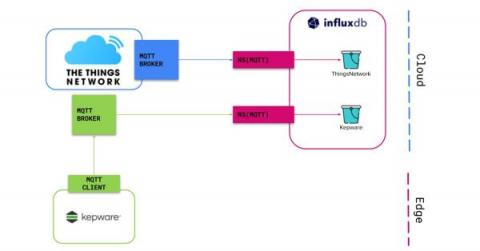
Learn how to deploy InfluxDB Cloud’s Native Collectors with Kepware and The Things Network. Did you hear about the new feature that just dropped to InfluxDB Cloud? Native Collectors! Starting with MQTT. There will be plenty of content to get you started with Native Collectors. So this blog series covers connecting two popular IoT-based platforms to InfluxDB Cloud using native Collectors. One Enterprise use case and one industrial use case.

Augmenting APM with InfluxDB for Faster Issue Resolution

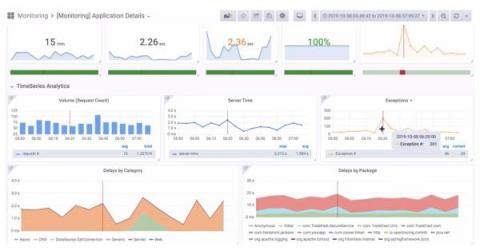
An enterprise IT company hosted a large industry event that drew attendees from all around the globe, including key technology leaders. Organizers knew that their IT offerings needed to be top notch to ensure attendees were happy when it came to event experience. The event application allowed attendees to browse and register for sessions at the event. So, organizers needed to be able to identify issues in real-time and fix them quickly.

Honeycomb Announces Major Updates to PagerDuty Integration

Today, we’re announcing major new updates to Honeycomb’s PagerDuty integration. These updates put more of the information you need into PagerDuty notifications and allow for greater configurability. These enhancements are available to all users who leverage Honeycomb Triggers and Burn Alerts to send notifications via PagerDuty.

What is RMM Software? A Modern Definition Plus Evaluation Criteria for 2023

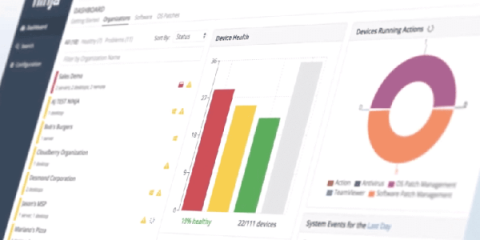
RMM is short for remote monitoring and management. RMM software is used to do two things: a) gather information from remote endpoints and networks to assess their health; and b) perform various remote IT management tasks on them without disruption. RMM solutions are most widely used by managed services providers (MSPs).

Top 10 Questions to Ask about the Microsoft Teams User Experience

For more than a million organizations around the world, Microsoft Teams is at the core of communications and productivity in today’s hybrid workplace. Having made the investment in Teams, organizations have realized a challenge when it comes to Microsoft Teams user experience: visibility into the many factors that can impact Teams performance, from networks and ISPs to misconfigured routers.

New Feature: New Component Status Types

What’s just as important as resolving an impacted service? Providing detailed yet digestible updates to your communities and stakeholders. A recent update to StatusCast, involves the addition of three new status types that can be assigned to your components. Detailed communications is an essential component of incident response and management, and additional status types provide your users with a more granular view of incident activity.

What is a Data Warehouse? Benefits and Tips

A data warehouse (DW) is a centralized repository of data integrated from multiple systems.. This data is often cleansed and standardized before being loaded. Designed to support analytical workloads, a data warehouse can help organizations better leverage both current data and historical data to improve decision-making through the analysis of business processes and outcomes.

Three New Standards Compound Security Engineering Challenges

A recent ESG/ISSA survey highlighted that security professionals are overwhelmed with competing proprietary data standards and integration challenges. Today’s security landscape often comprises dozens of tools, each with its own unique format. Even if the format is defined and widely adopted, like Syslog, implementations vary widely from tool to tool, or even from release to release for the same tool. How big of a problem are these differing data formats?