Operations | Monitoring | ITSM | DevOps | Cloud

Time Series Forecasting with PyTorch and InfluxDB

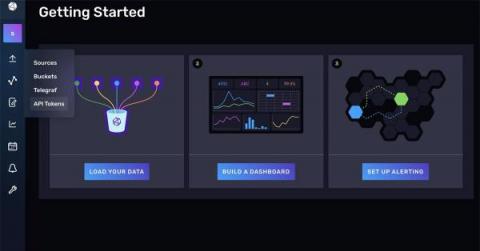
Time series data (also known as time-stamped data) refers to a collection of observations (data points) measured over time. When plotted on a graph, one of the axes for this type of data will always be time. Because time is part of every observable entity, time series data can be used in all kinds of industries, like the stock market, weather data, logs, and traces.
Building an incident management process

In this podcast, our panellists discuss the foundations that any team needs to put in place when designing their incident management process. Starting from the basics of defining what we really mean by an incident, to how to set your severity levels, roles and statuses, Chris and Pete share their tips for building solid foundations to run your incidents.

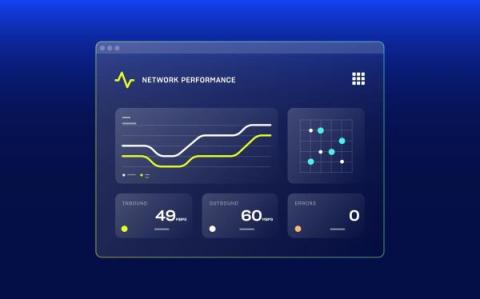
Are you a network observability champion?

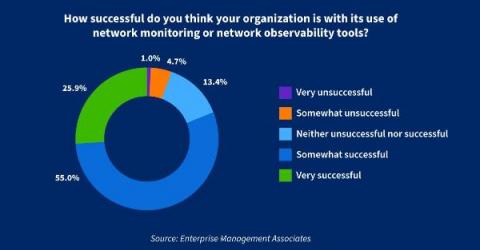
At Kentik, we pride ourselves as innovators and thought-leaders for network observability. “Kentik is network observability” is more than a slogan for us. It’s an idea that informs our product roadmap and guides our problem-solving with customers. We’ve done a lot to explain network observability to prospects.

ServiceNow and Zoom expand partnership to deliver great experiences

In today’s complex, hybrid world of work, collaboration and productivity can quickly give way to chaos and silos if organizations don’t prioritize digital business transformation. At ServiceNow, our solutions help companies make the most of their digital business efforts by connecting teams, processes, and silos. Zoom has a similar goal: to help people connect, collaborate, and work together.

The Power of Harnessing DevOps for the Database

Why do some organizations excel in streamlining their database operations and applications development while others find it immensely challenging? Why can some database teams embrace agility while others take months of cycles to deploy even a single line of code? What secret sauce can allow some database teams to work smarter (not harder), streamline database development lifecycles better, get to deployment faster, and create an overall stronger alignment across departments?

3 questions to ask in the build vs buy debate for incident response tooling

As a former incident responder and now as a responder advocate for FireHydrant, I’ve seen the “build vs. buy” debate play out many times. In fact, I even supported the tool that former employers used for managing incidents for years before they decided to buy (more on that in a future blog post).

How Is Uptime Calculated?

Any modern organization depends heavily on the health of its network and servers. If a server goes down, it can seriously impact a business’s ability to provide services for clients and customers to get work done. If network admins don’t know a server went down, the problem could quickly worsen. No one may realize there is a problem until the support lines are loaded with calls, and everyone needs to scramble first to find the issue and then fix it.

Webinar: Real talk: automation for ITOps

IT operations move fast. If you’re an ITOps leader, you need to be moving just as fast to make sure your team has what it needs. Positioning your team for success isn’t easy: complexity in IT is increasing every year and can reach a point where it exceeds a person’s capacity to keep pace. In the face of massive growth, ITOps teams can face major challenges with productivity, burnout and efficiency.

What Is the State of IT Automation Going into 2023?

History will look back on this period of the 21st century as a pioneering, resilient, and excitingly disruptive time. We’re deep into a dynamic era as the cloud, Artificial Intelligence (AI), IT automation, and digital transformation converge to drive challenges and dazzling opportunities. The sheer force and potential of AI—coupled with unprecedented security risks and ongoing infrastructure advances will shape enterprises for years to come.