Alerting with ilert and Pandora FMS
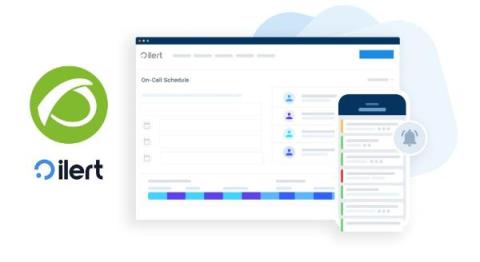
This post introduces the Pandora FMS monitoring solution and how to integrate it with ilert to establish reliable alerting. The guest post is written by Sancho Lerena, the CEO of Pandora FMS.


This post introduces the Pandora FMS monitoring solution and how to integrate it with ilert to establish reliable alerting. The guest post is written by Sancho Lerena, the CEO of Pandora FMS.
Platform engineering has been one of the hottest keywords in the software community in recent years. As a natural extension of DevOps and the shift-left mentality it fosters, platform engineering is a subfield within software engineering that focuses on building and maintaining tools, workflows, and frameworks that allow developers to build and test their applications efficiently.
Product experience is a key driver of business success for ServiceNow and our customers. That’s why my product experience team and I spend a lot of time focusing on design principles that help ensure we exceed our customers' expectations. You don’t have to be a designer to use these principles and create great experiences. These are fundamentals that anyone can put into practice.
Webhooks, those wonderful little lifelines connecting one application to another, have become an essential part of our app notification world. They help keep your systems in the loop, notifying them immediately when events of interest occur. This real-time communication ensures that your applications remain responsive, adaptive, and always up-to-date with the latest information.
Network Operations might never be the same. But then again, why would anyone want it to be? The power of automation and orchestration can bring incredible value to the Network Operations Center (NOC), including the business-critical call to get proactive and ahead of the incidence response and management game. It’s more than a towering volume of events – it’s the complexities involved, too.
The way we handle massive volumes of data from multiple sources is about to change fundamentally. The traditional data processing systems don’t always fit into our budget (unless you have some pretty deep pockets). Our wallets constantly need to expand to keep up with the changing data veracity and volume, which isn’t always feasible. Yet we keep doing it because data is a commodity.
Let me tell you something you already know: Networks are more complex than ever. They are massive. They are confounding. Modern networks are obtuse superorganisms of switches, routers, containers, and overlays; a hodgepodge of telemetry from AWS, Azure, GCP, OCI, and sprawling infrastructure that spans more than a dozen timezones.
Organizations must always be ready to pivot on a dime and adjust their business goals when the market—or their customers—demand it. Whether driven by industry changes or developments in market trends, when goals shift at the top, the teams who execute against them must follow suit. Since network infrastructure is becoming increasingly complex to fit business needs, IT teams are part of these initiatives.
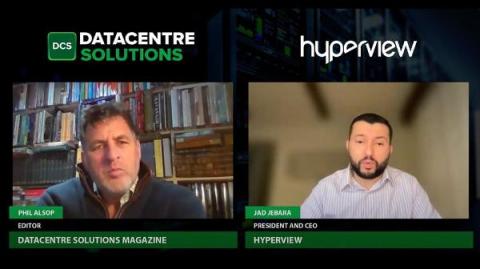
In an exclusive Digitalisation World podcast, our CEO, Jad Jebara, delves deep into the ever-evolving hybrid infrastructure landscape. Join us as we explore how companies are strategically optimizing application performance and the infrastructure that fuels their digital ambitions.