Operations | Monitoring | ITSM | DevOps | Cloud

5 Reasons Why You Need a Software Asset Management Team

In most organizations, software asset management (SAM) is not given much importance since IT professionals don’t emphasize its relevance. It could be influenced by the fact the responsibilities of a SAM team are often delegated to other employees. But with the rising of software procurement costs, distributed workforces, and the rapid growth of the SaaS industry, we are starting to see software asset management less as a nice-to-have and more as an essential business component.

JavaScript SDK "Package Size is Massive" - So we reduced it by 29%

Developers started to notice just how big our JavaScript package was and yeah, we knew. We weren’t ignoring the issues; after all, we don’t want the Sentry package to be the cause of a slowdown. But to reduce our JavaScript SDK package size effectively we had to account for shipping new capabilities, like being able to manage the health of a release and performance monitoring, while maintaining a manageable bundle size. After all, new features == bigger package - usually.

The Two Sides of Experience: Does the 'Comfy' IT Job Really Exist?

Managing the digital experiences of an entire workforce isn’t easy. But that’s what today’s IT professionals are tasked with: as DEX has become an essential priority in our increasingly digital workplace, IT jobs now require service teams to deploy the strategies that ensure employees remain productive, engaged, and happy. But what about IT workers themselves? What about their employees experiences? After all, IT workers are employees too!

What is Tracing? Everything You Need to Know

Tracing, or more specifically distributed tracing or distributed request tracing, is the ability to follow a request through a system, joining the dots between all the individual system calls required to service a particular request. Although tracing logs have been around for some time, the trend toward distributed architectures, microservices, and containerization has elevated it from nice-to-have status to an essential piece of the observability puzzle.

How Can Mobile Apps Benefit Your Business and Make It More Successful

The mobile app industry is booming. In 2019, global app revenue reached $120 billion and is projected to grow to $310 billion by 2025. That's a lot of money, and it's no surprise that businesses are clamoring to get a piece of the pie. But with so many options out there, you might be wondering: what's the point of investing in a mobile app for my business? The answer is simple: mobile apps can benefit your business in a number of ways and help make it more successful. In this article, we'll explore some of the ways that mobile apps can help your business grow.

Keeping repair manuals and parts lists private and current

In today's world, confidential data such as repair manuals, customer lists, copyrighted information, proprietary technology, price sheets, marketing plans, parts lists and more are important business assets that can be compromised if not secured adequately. In many cases, a prime exposure area is when confidential information is disclosed without proper document security in place.

IBM MQ Streaming Queues Adds Business Value to Middleware

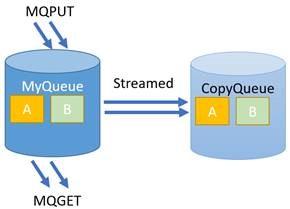
Last year we published this blog post about the benefits of IBM MQ streaming queues. On July 15th, 2022 this functionality was also made available for MQ on the mainframe (z/OS) and it’s also been announced for the MQ appliance for Aug 2nd, 2022. Nastel has been supporting and embracing this functionality for some time in its integration infrastructure management (i2M) platform.

Sponsored Post

Open Source vs. Commercial Cloud Monitoring Tools: How to Choose

There is a multitude of options on the market when it comes to open source and commercial monitoring platforms that are available for cloud management. It can be hard to sift through the various tools and come to an informed decision on what is the best fit for your team. In this article, we will explore the strengths and weaknesses of both open source and commercial tools and when each option is suitable for deployment.

Streamline incident response on a unified platform

Incident response is at the heart of great, or terrible, user experience. However, while tools have evolved, challenges – especially faced by L1 agents – still exist. The solution isn’t about getting more tools. It’s about establishing a unified platform across the IT service desk and the IT Operations teams that empowers L1 agents to collaborate across silos with L2 agents, subject matter experts, and DevOps personnel.