Operations | Monitoring | ITSM | DevOps | Cloud

5 main features that make up the best website monitoring tools

We live in an era where people would rather take the crowded rush-hour subway than drive through slow moving traffic. Website visitors are likely to bounce if a page takes more than four seconds to load. Once gone, there’s a high probability they’ll never be back. Keeping a close watch on your website performance is the only solution for maintaining a high traffic website.


Send metrics and traces from OpenTelemetry Collector to Datadog via Datadog Exporter

OpenTelemetry is an open source, vendor-neutral observability framework that provides tools, APIs, and SDKs to collect and standardize telemetry data from cloud-native applications and services. One of OpenTelemetry’s key components is the OpenTelemetry Collector, which receives and processes data before using exporters to route it to the destinations of your choice.

Sponsored Post

Monitoring Transaction Log Files for PCI compliance

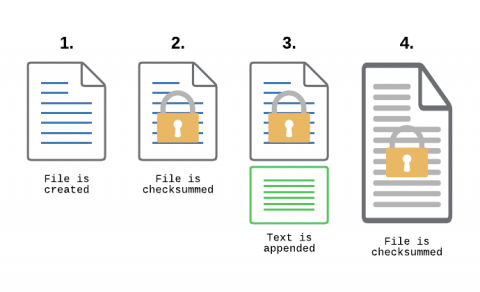
File Integrity Monitoring, aka as FIM, is a must-have feature for anyone in charge of security. With FIM, one can detect when a critical file, such as a file that belongs to the Operating System, or a key configuration file, is changed. In most cases, configuring FIM is straightforward: If the file changes then generate an alert.

Exoprise Expands Network Visibility into Microsoft Teams and Leading UCaaS Applications

As businesses pivot towards multiple UCaaS platforms, the latest Exoprise monitoring solution offers deep application and network intelligence to support a modern workforce with a great digital experience.

Forward logs from the OpenTelemetry Collector with the Datadog Exporter

OpenTelemetry is an open source set of tools and standards that provide visibility into cloud-native applications. OpenTelemetry allows you to collect metrics, traces, and logs from applications written in many languages and export them to a backend of your choice.

A Guide to Incident Severity Levels

Maintaining IT infrastructure is a consistent challenge for system administrators, site reliability engineers (SREs), supporting developers, and technicians. Several factors can impact system performance, cause outages, or impact customer experience. On top of that, not all incidents are created equal. The impacts and severity of a system outage affecting 10% of your users are different from an outage impacting 90%.

ITIL Priority Matrix: How to Use it for Incident, Problem, Service Request, and Change Management

The ITIL priority matrix can be valuable in assigning and directing work in an IT service management (ITSM) environment. Following on from our guide to all things ITIL, it can help you understand what is causing the most pain to your end-users, and direct your support efforts accordingly. Done well, an ITIL priority matrix can decrease service downtime, improve customer and employee experience, and make the request and change processes more efficient.

Biggest Mistakes Companies Make When Evaluating & Purchasing APM Software

Most modern companies that offer web or mobile apps use APM at some stage to enhance their growth. APMs help you to understand what's going on inside your app. It helps you know when something breaks, and it also helps you learn how to make sure it doesn't happen again. However, choosing the right APM solution for your product is complex. If you select the incorrect tool, you may discard it because it will not enable you to meet your observability objectives.