As the rapid digital transformation has put a lot of pressure on IT organizations to be more proactive and agile, DevOps principles and practices have been an invaluable resource. However, to remain at the top of the game, organizations need an even stronger solution. So, what’s the answer? AIOPs (artificial intelligence for IT operations), of course!
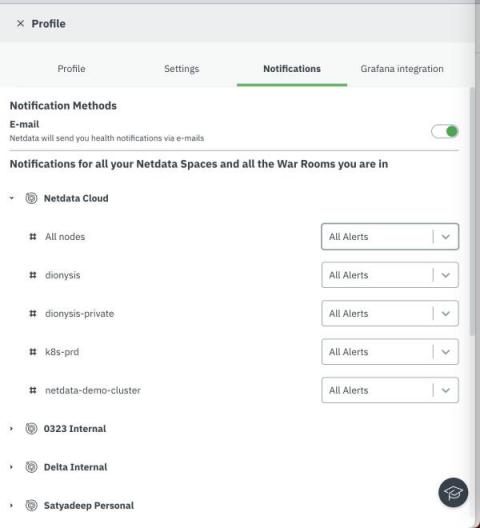
The health management APIs in Netdata allows teams to eliminate unnecessary alerting during scheduled maintenance, testing, auto scaling events, and instance reboots. For all SREs, it is absolutely crucial to filter out expected events during maintenance windows and quickly pinpoint critical issues in your infrastructure. Every minute is crucial while dealing with troubleshooting issues and any distractions that may hijack the troubleshooting process should be subdued.
Today’s Managed Security Service Providers (MSSPs) are trying to grow their business quickly, improving margins and onboarding customers with high-quality tool sets that scale with the business. This means reducing cost, improving onboarding time and building the next generation of Managed Detection and Response (MDR) to deal with threats that are increasing in volume and sophistication.
In the last few years, the usage of databases that charge by request, query, or insert—rather than by provisioned compute infrastructure (e.g., CPU, RAM, etc.)—has grown significantly. They’re popular for a lot of the same reasons that serverless compute functions are, as the cost will scale with your usage. No one is using your site? No problem: you’re not charged.
Mac monitoring is still seen as something of a weird science by many MSPs, but it is going to be a growing issue if you continue to ignore them. We’re increasingly seeing unmonitored Apple devices on our networks, and the harsh reality is, if you’re not monitoring these devices on your customers’ networks you’re not only creating risk, you’re also missing out on a potential revenue stream.
Kubecon 2022 just concluded with plenty of exciting announcements, including our new open-source project, Helm-Dashboard, but we’ve got some more news to share on top of that.