Artificial intelligence for IT operations (AIOps) is an umbrella term for the use of big data analytics, machine learning (ML) and other artificial intelligence (AI) technologies to automate the identification and resolution of common IT issues. The systems, services and applications in a large enterprise produce immense volumes of log and performance data. AIOps uses this data to monitor assets and gain visibility into dependencies within and outside of IT systems.
Handling today’s network performance challenges is imperative. Especially when there’s no specific tool for proactive monitoring, results from a root cause analysis are often incomplete. Organizations that don’t review metrics related to performance and availability risk compromising their network.
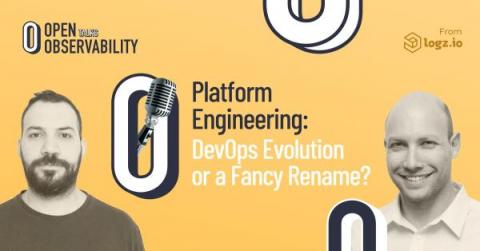
Everyone’s talking about Platform Engineering these days. Even Gartner recently featured it in its Hype Cycle for Software Engineering 2022. But what is Platform Engineering really about? Is it the next stage in the evolution of DevOps? Is it just a fancy rebrand for DevOps or SRE? As a veteran of the PaaS (Platform as a Service) discipline about a decade ago, and a DevOps enthusiast at present, I decided to delve into this topic, peel off the hype, and see what it’s about in practice.
October included six new releases and hotfixes, providing new functionality and greater stability to Ninja users. 5.3.6, the largest release, included major new functionality for endpoint management, patch management, and ticketing while reducing setup friction for new customers.
At ObservabilityCON in New York City today, we announced a new open source backend for continuous profiling data: Grafana Phlare. We are excited to share this horizontally scalable, highly available database with the open source community — along with a new flame graph panel for visualizing profiling data in Grafana — to help you use continuous profiling to understand your application performance and optimize your infrastructure spend.
ObservabilityCON 2022 is taking place today with a host of exciting announcements, from new OSS projects, partnerships, and integrations to the latest easy-to-use features in the Grafana LGTM stack. “As an OSS company, we prioritize interoperability. The big tent is at the heart of everything we do, and Grafana is at the heart of the wider ecosystem,” says Grafana Labs Co-founder and CEO Raj Dutt.
Today, during the ObservabilityCon 2022 keynote session, we announced a new open source project for frontend application observability, Grafana Faro. The project is launching with a highly configurable web SDK that instruments web applications to capture observability signals. This frontend telemetry can then be correlated with backend and infrastructure data for seamless, full-stack observability. There’s supposed to be a video here, but for some reason there isn’t.