Operations | Monitoring | ITSM | DevOps | Cloud

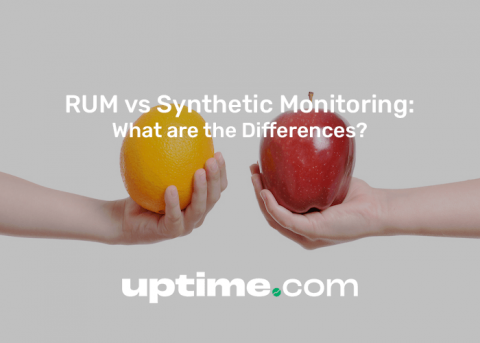
Real User Monitoring (RUM) vs Synthetic Monitoring: What Are the Differences?

Three seconds is a very important number for website owners. They know that 50% of visitors will leave their website if it doesn’t load in that time. Website developers spend a lot of time optimizing and refactoring code so that it runs more quickly and provides a better user experience. User experience is something that monitoring only uptime won’t tell you. A website might be up, but if it takes 10 seconds to load, customers will bounce.

Taking incident management to the next level with an internal developer portal

There is no denying that incident management is one of the most crucial processes concerning the service and business aspects of software deployment. Not having a robust system in place to address and remedy unfortunate incidents can lead to user dissatisfaction, which can ultimately take a toll on your business metrics. A suboptimal management system can also have adverse impacts internally if it prioritizes efficiency and speed of recovery to the point of neglecting employee well-being.

Forrester: ServiceNow is a Leader in value stream management solutions

As corporate budgets shrink worldwide, product and engineering leaders are making tough prioritization calls to focus on the initiatives that truly deliver business outcomes. They’re also looking at ways to optimize costs, especially those resulting from heavy manual processes. The Forrester Wave™: Value Stream Management Solutions, Q4 2022 could not have come at a more important time.

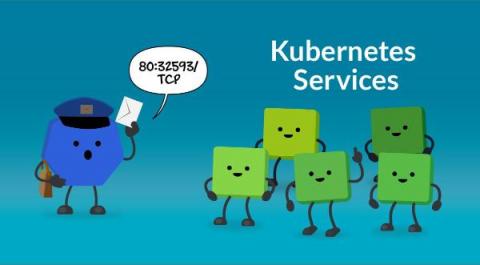
Kubernetes Services: ClusterIP, Nodeport and LoadBalancer

Pods are ephemeral. And they are meant to be. They can be seamlessly destroyed and replaced if using a Deployment. Or they can be scaled at some point when using Horizontal Pod Autoscaling (HPA). This means we can’t rely on the Pod IP address to connect with applications running in our containers internally or externally, as the Pod might not be there in the future.

How to Monitor Kubernetes K3s Using Telegraf and InfluxDB Cloud

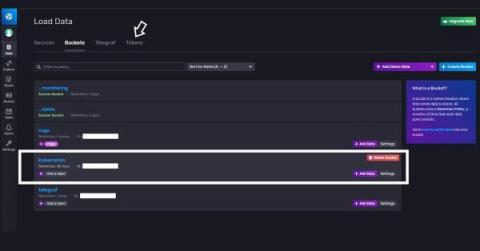
This article was originally published in The New Stack and is reposted here with permission. A Helm chart can simplify our lives and enable us to see what is happening with our K3s cluster using an external system. Lightweight Kubernetes, known as K3s, is an installation of Kubernetes half the size in terms of memory footprint. Do you need to monitor your nodes running K3s to know the status of your cluster?

Status Page Pricing - 22 Most Popular Status Page Tools Cost Reviewed [2023]

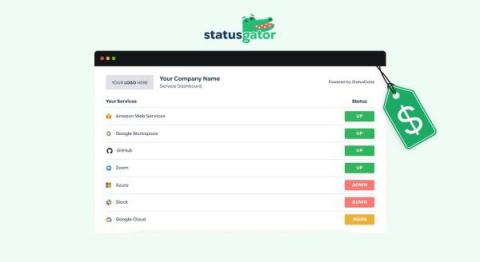
Keeping your customers informed about the status of your website, application, or service is essential nowadays. If you don’t have a status page to communicate this, you’re missing an opportunity to improve transparency and reduce the customer support burden. It is especially true if you are running an online business and your website is your main source of income. The status page is crucial not only for your business but for your customers as well. So how much can a status page cost?