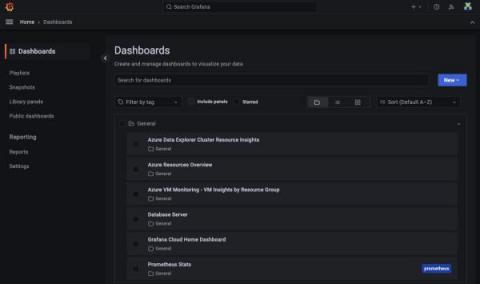
As Grafana has grown from a visualization platform to an observability solution, we’ve added many tools along the way. These tools are dedicated to help you throughout the software development life cycle, whether you are trying to prevent incidents, you are monitoring your application or infrastructure, or if you are in the middle of an incident.
When you’re facing a cyberattack, waiting even just minutes to respond could be the difference between business as usual and a calamity. It may only take that long for threat actors to exfiltrate sensitive data or disrupt critical systems. That’s one reason why automating remediation is an essential ingredient in an effective cybersecurity strategy.
Observability is the ability to see and understand the internal state of a system from its external outputs. Logs, Metrics, and Traces, collectively called observability data, are external outputs widely considered to be three pillars of observability.
In this post, we’ll dig into the difference between a bug and an incident, why alignment on how they are defined matters, and how to ensure you’re still learning from the issue, even if it’s “just a bug.”
Elastic Universal Profiling is based on technology that came into Elastic as part of the acquisition of optimyze.cloud — a startup that had developed Prodfiler.com, the world’s first frictionless fleet-wide in-production multi-runtime profiler that was launched in August 2021. In order to bring the vision of frictionless deployability, low performance overhead, “just run it everywhere” magic to the broader market, a number of technical innovations were necessary.
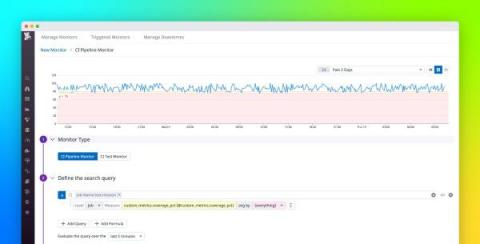
CI pipelines have become an integral part of the development workflow, helping teams automate the continuous building and testing of new updates to application code. The growing importance of CI pipelines has naturally led to a need for increased visibility into their performance. In 2021, Datadog introduced CI Visibility to deliver granular performance metrics for each individual pipeline, allowing you to monitor build duration and related telemetry across all recent commits.
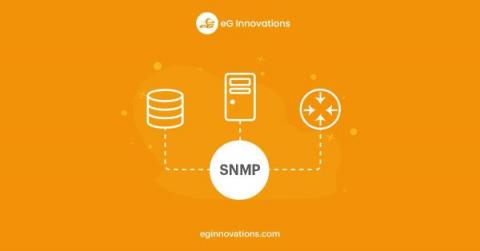
SNMP stands for Simple Network Management Protocol. It is an Internet Standard protocol for collecting and organizing information about managed devices on IP networks and for modifying that information to change device behavior. Figure 1: How SNMP works SNMP exposes management data in the form of variables on the managed systems organized in a management information base (MIB), which describe the system status and configuration.
If you are reading this article, your organization is considering a TeamViewer alternative. Your organization may already be using TeamViewer and want an MDM solution more tailored to your needs, or your IT team may be weighing it against other options as part of an initial procurement process. This search is often initiated by the fact that TeamViewer takes a one-size-fits-all approach to mobile device management, which is generally not what brands need.
The mobile development ecosystem has always been very diverse, arguably more diverse than the web development ecosystem. While it seems like every day there are more frameworks and tools for web developers, a lot of them are built on top of JavaScript and implement similar patterns to each other. The mobile ecosystem, on the other hand, has a core set of languages that make the differences between mobile tools and frameworks much easier to identify.