Microservices are a popular software design architecture that breaks apart monolithic systems. A microservice application is built as a collection of loosely coupled services. Each microservice is responsible for a single feature. They interact with each other via communication protocols such as HTTP.
Observability is a term that has gained a lot of traction in recent years, particularly in the realm of software engineering and DevOps. At its core, observability refers to the ability to gain insight into the internal workings of a system by observing its external outputs. This allows engineers to diagnose and troubleshoot issues with the system, as well as to monitor its performance and behaviour.
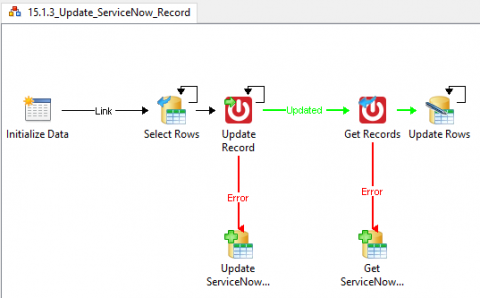
Automation and it’s use of the term Runbooks can be confusing and difficult to understand, especially when first starting out. We’ve put together some frequently asked questions and answers to help beginners get started.
In some respects, security and reliability are competing priorities. Security controls may reduce reliability, and responding to security incidents may require mission-critical systems to be paused or shut down until they're secure. The recent security incident involving CircleCI, however, shows that it's not always necessary to choose between prioritizing security or reliability.
In this blog, I explain the idea behind Distroless container images, which inspired us to create chiselled Ubuntu images — adding the “distro” back to distro-less! In a follow-up blog, I will then provide a step-by-step example of how you can create your own chiselled Ubuntu base container images, built for your specific needs.
VictoriaMetrics is proud to announce that we consider vmbackup and vmbackupmanager to be feature-complete solutions as of release 1.85.3. These backup components are essential for ensuring the safety and integrity of your data, and we have made a number of improvements in recent releases to make them even more reliable and user-friendly.