Operations | Monitoring | ITSM | DevOps | Cloud

Learn how to use the common OpenTelemetry demo application with Sumo Logic

OpenTelemetry has gained significant adoption in the past year. This blog is about the common Otel demo application, but you can refer to this primer about OTel in general. Although it has gained recognition in the industry, there are still many people who haven’t started using OpenTelemetry. If you are interested in exploring its capabilities but you’re unsure where to start, keep reading.

Kubernetes vs Mesos vs Swarm

If you're reading this blog, you might ask yourself what container orchestration engines are, what problems they solve, and how the different engines distinguish themselves. Read on for a high-level overview of Kubernetes, Docker Swarm, and Apache Mesos, as well as a few of their notable similarities and differences.

5 Important Data Center Management Trends for 2023

As we reflect on 2022, it’s important to identify the latest data center trends that will continue to impact how data centers are managed in 2023 and beyond. You must stay up to date on new industry trends in order to better support your organization and customers while staying competitive in your field. Here are five data center management trends that you should know about going into the new year.

CMDBs Explained: How To Maximize Value from Configuration Management Databases

For many IT organizations, having complete end-to-end visibility of their IT assets as well as a comprehensive understanding of integrations, dependencies and changing statuses is an ideal position rather than a reality. This is especially true for organizations with legacy on-premises systems spread across many environments. Those that were cloud native or successfully migrated to the cloud had the privilege of cloud tools to visualize individual environments.

Applications Manager once again helps customers go beyond their limits

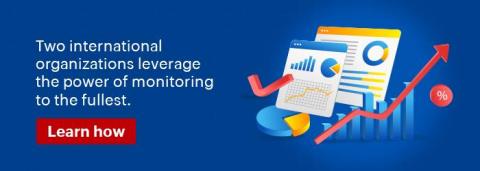
Reading case studies can be a tedious task for someone who needs to single-handedly manage the entire IT infrastructure of their firm. But hey, why not spend a minute or two if it can provide you some golden tips on how to save time while monitoring your complex IT infrastructures? Here are the stories of two firms that achieved improved performance after switching to Applications Manager. Dig in to learn how they made the best use of our product and achieved a better version of themselves.

40 most popular programming languages 2023: When and how to use them

There are many - maybe too many - programming languages to choose from. One of the most effective ways to assess their popularity is by the number of search queries for each language, across the web. The TIOBE Index is the definitive list of programming languages, ranked in order of search volume popularity as an indication of prominence and public interest. This article lists the top 40 languages on that list, with a brief overview and their pros, cons, and hiring prospects.

Leveraging WebAssembly for improved performance in Kubernetes

Over time, limitations were found with the programming languages responsible for creating web applications, leading to the development of WebAssembly (WASM). You can leverage WASM to create applications for web browsers using other high-level programming languages than those traditionally used for web development. As a result, developers can now build cloud-native applications that can work more efficiently with Kubernetes and other cloud-native technologies.

Optimizing DevOps Workflows with Helm Charts and Qovery's New Jobs Feature

Are you tired of the challenges that come with deploying Helm charts on your Kubernetes cluster? Look no further! We just released a game-changing new feature that simplifies the process of deploying Helm charts on Qovery. Our new jobs feature makes deploying Helm charts as easy as a few clicks. Learn more about Helm charts and how to take advantage of this powerful feature now!

Create Better UX with Incident Response and Service Intelligence

Incidents that impact user experience are some of the most common challenges that IT, security, and operations teams must face. Users have high expectations for application uptime, and organizations are responsible for ensuring applications are available for them. From application performance to user interface design, many factors can affect a customer’s experience—and resulting confidence—in your product’s capabilities.