Building digital platforms, and platform engineering teams to support them, isn’t new. The platform approach first emerged more than 20 years ago and predates the DevOps movement that began in the mid-2000s. But the recent surge in popularity of platform engineering has caused some to argue that “DevOps is dead” and modern platform engineering has replaced it. Here’s what we found in the 2023 State of DevOps Report to counter that argument.
Scottish essayist Thomas Carlyle may not have been thinking about remote working tools for software development teams when he wrote, “Man is a tool-using animal. Without tools, he is nothing; with tools, he is all”. However, the statement is apt in this age of the internet with hundreds of thousands now working from remote locations. The statement is especially true for team leaders charged with the herculean task of managing remote software development teams.
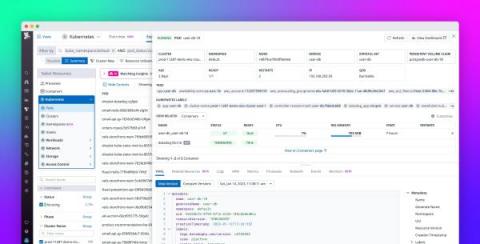
Many organizations rely on distributed tracing in Datadog APM to gain end-to-end visibility into the performance of their Kubernetes applications. But as teams grow, it can become impractical for them to manually configure each new application with the libraries and environment variables needed for tracing.
Kubernetes turns 9 this year and with its maturity each year, it brings new challenges that drive seismic influence across the rapidly changing cloud native ecosystem. Each year we see new tools created and existing solutions optimized from new lightweight distributions, new features across Kubernetes management platforms, and container security solutions, all adding value to users but simultaneously contributing to the complexity are facing to run Kubernetes successfully.
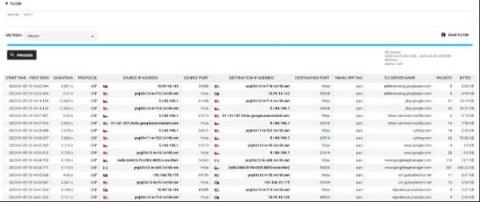
Our development teams continue to improve Progress Flowmon. The latest update takes the core Flowmon product to version 12.2, while our industry-leading Anomaly Detection System (ADS) gets incremented to ADS 12.1.
We’re creating a new way to install and set up Sentry. Starting with Next.js, you’ll be able to set up new Sentry accounts or create new Sentry Next.js projects via the terminal and running a single command. Getting started is simple(r). While you can still visit sentry.io/signup to create an account or create a project from within the app – now you can skip all the clicks, navigate to your repo and run this command.
Increasingly, the speed and scale of a business can be measured by the resilience and performance of its applications. That’s why organizations are opting to modernize legacy applications by rewriting them using cloud-native tools and platforms. A Gartner study found that by 2025, cloud-native platforms will be the foundation for more than 95% of new digital initiatives, compared to less than 40% in 2021.