Operations | Monitoring | ITSM | DevOps | Cloud

Monitor mainframe performance with mainstorconcept's offering in the Datadog Marketplace

mainstorconcept’s z/IRIS software provides performance monitoring solutions for IBM mainframe z/OS systems, so you can assess your mainframes’ health and their impact on mission-critical services. With support for OpenTelemetry, z/IRIS creates integrable observability data from your mainframe systems.
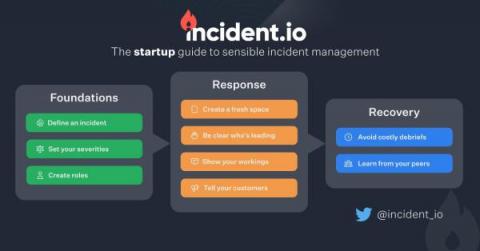
The startup guide to sensible incident management

If you’re working at an early stage startup and looking to get some good incident management foundations in place without investing excessive time and effort, this guide is quite literally for you. There’s an enormous amount of content available for organisations looking to import ‘gold standard’ incident management best practices – things like the PagerDuty Response site, the Atlassian incident management best practices, and the Google SRE book.

Support Database Technology Migration with Apache Kafka and Apache Kafka Connect

Aiven for Apache Kafka® Migrating from one database technology (such as PostgreSQL®) to another (such as MySQL) using batch has a variety of problems. Find out how to use Apache Kafka® to perform streaming updates, and keep the target continually in sync with the source.

How to monitor your uptime with OnlineOrNot

Jumping into monitoring software for the first time can be pretty overwhelming. If you're not in an exploring mood, it can be easy to get lost, and you're not entirely sure what all these knobs and buttons do. To help lighten this feeling for OnlineOrNot, I thought it might be useful to let folks know how I use OnlineOrNot, to monitor OnlineOrNot (as part of running OnlineOrNot day to day). Also, our friends at DebugBear wrote a similar article about how DebugBear uses DebugBear to keep their site fast.

CFEngine bootstrap with Ansible

CFEngine and Ansible are two complementary infrastructure management tools. Findings from our analysis show that they can be combined and used side by side with joint forces to handle all areas in the best possible way. Part of infrastructure management is hosts deployment, either when building a brand new infrastructure or when growing one by adding new hosts.

Securing DNS: interrupting attacks as early as possible

While MSPs have been making significant investments in security and offering services, it is a challenge to keep up with the frequency and evolving sophistication of today’s cybersecurity threats. Defense in Depth (DiD) is the foundation on which most MSPs have built a layered security approach for dealing with them.

Defining your naming conventions: The key to a structured SCOM environment

When it comes to sophisticated software like System Center Operations Manager (SCOM), where a structure is vital to maintain your environment, your naming conventions are the key to long-term success. Many different people are involved in the process of monitoring. To maintain documentation and procedures, you must define how you should name parts used in SCOM. Everything from the management group name to groups, management packs, override management packs, views, and folders.

10 Website Performance Statistics Every SRE Should Know For 2022

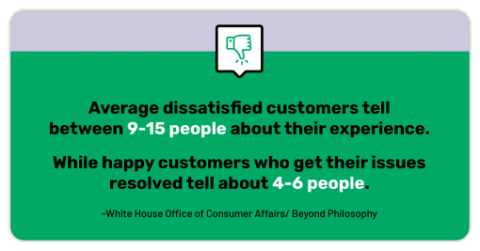
Two major shifts are simultaneously taking place in the world of website monitoring: the acceleration of digital dependence has increased the need for high-performing websites and the frequency (and severity) of downtime outages continues to climb. These shifts have made it more important than ever for businesses of all sizes and industries to monitor uptime and page speed.

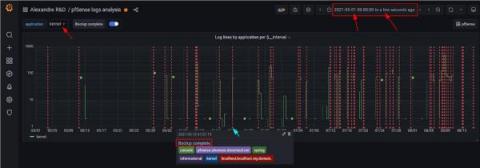
Pro tip: How to use semi-relative time ranges in Grafana

If you’re even the slightest bit familiar with how Grafana dashboards work, you’ve probably realized that the time range selector is one of the most important features. After all, when you’re using Grafana to visualize time series and logs, defining a time range is required for metrics and logs queries.