Why a Platform Approach is Best for AIOps
IT operations management vendors are adding AI capabilities to their wares, but central AIOps platforms deliver the most value by coordinating all those domain-specific tools.
The latest News and Information on Incident Management, On-Call, Incident Response and related technologies.
IT operations management vendors are adding AI capabilities to their wares, but central AIOps platforms deliver the most value by coordinating all those domain-specific tools.
IT industry research has repeatedly shown that DevOps-oriented teams that can ship software quickly and effectively routinely outperform their slower counterparts in terms of company profitability, market share, and just about every competitive business metric that matters. That sort of success comes from restructuring teams in ways that empower them to move faster and get closer to their customers.
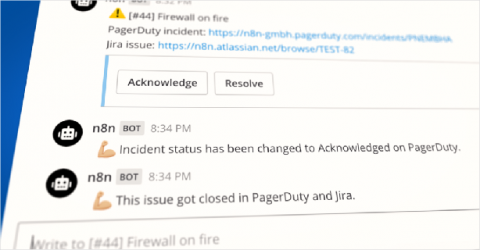
Much like the pagers of yore, PagerDuty immediately notifies the right person when something goes wrong. That means that no matter when there’s an issue in your application, the right people on your team will hear about it. But as much as we love PagerDuty, we’re not using valuable company time and resources just to tell you about it. We are, however, using valuable company time and resources to tell you all about our new integration with PagerDuty.
OnPage BlastIT is a mass notification system that allows organizations to enhance their crisis communications. It streamlines communication in emergency situations, ensuring that critical, urgent alerts are never missed. Additionally, BlastIT allows organizations to improve mass messaging operations by 30- to-40 percent. Here, I’ll highlight BlastIT’s features and how they outweigh competitor functionalities.
Today is day one of the RSA Security Conference in San Francisco, where thousands of security professionals from around the world come together to share new ideas, discuss global security vulnerabilities, and explore the latest technologies in the security industry.
Services are the backbone of our systems. Whether they’re functional microservices or logical components of a traditional application, they are the pieces that make up our businesses. We can’t do the computer thing without services. But who’s responsible for owning a service in your company or organization? The cast of characters involved in the lifecycle of a service is more than just software engineers.