The latest News and Information on DevOps, CI/CD, Automation and related technologies.
On October 22, 2020, Shipa launched a new web series called “Coffee & Containers.” C&C was conceived as a place for practitioners and IT leaders to learn and collaborate on all things microservices, cloud-native, containers, Kubernetes, etc. We were very proud to launch this series with Kelsey Hightower, Thought Leader and Developer Advocate at Google Cloud Platform, and Bruno Andrade, Founder and CEO of Shipa.io.
Regulatory compliance is time-consuming and expensive. A recent survey of IT security professionals found that, on average, organizations must comply with 13 different regulations and spend an average of $3.5M annually on compliance activities, with audit-related activities consuming 232 person hours per year. With a team of five people, that adds up to 1.5 months a year devoted to audit-related activity. That’s a lot of hours that could have been spent on initiatives driving customer value.
DevSecOps — or the merging of Ops and Security — has been at the center of discussion for the better part of the outgoing decade. Today, the complexity of infrastructure change, demands security and DevOps teams to work together more efficiently. But there are hurdles to adoption of DevSecOps as a methodology. Cloud-native applications often live in multiple clouds across data centers, co-location, and public clouds.
One thing that 2020 has clearly shown us is that communications services is a basic and fundamental driver of our global economy. During the COVID-19 pandemic, we realized that many tasks can be done at home, if access to communications services is sufficient. Many of us can work from home or other locations outside of the traditional office; students do not have to be physically present at school to participate in lectures; and we don’t need to go to movie theaters watch a new film release.
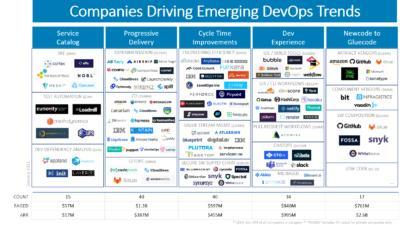
Nowadays developers are in the driver’s seat regarding a lot of decisions for the tools they use. In this update from Tyler Jewell, he covers what he sees are the Top 5 trends that will take place this year. While it’s a bit of a crowded chart, he plots the companies that he sees driving these trends. If you drill into the Service Catalog trend, Jewell sees a couple of different groups working on ways to help developers deal with the deluge of Services (aka APIs).
There’s no better time than now to dedicate effort to reliable software. If it wasn’t apparent before, this past year has made it more evident than ever: People expect their software tools to work every time, all the time. The shift in the way end-users think about software was as inevitable as our daily applications entered our lives, almost like water and electricity entered our homes.
This article is a full tutorial on HAProxy monitoring and the best tools to get it done right. We will be looking into how to collect HAProxy metrics using a collectd daemon, push them into Graphite and visualize them in Grafana. To follow the steps in this blog, sign up for the MetricFire free trial, where you can use Graphite and Grafana directly in our platform.