The latest News and Information on DevOps, CI/CD, Automation and related technologies.
Required fields have been a hot topic at FireHydrant. Choose too many (or the wrong ones), and you unnecessarily annoy your team during an incident or encourage sloppy data entry that someone has to come back and clean up manually. Don't use them at all and risk insufficient data to efficiently propel an incident toward resolution.
Citrix Hypervisor, formerly known as Citrix XenServer, is a type 1 hypervisor that enables organizations to run and manage an entire virtual infrastructure—including VMs, virtual desktops, and virtual applications. Organizations can also use Citrix Hypervisor to optionally host these virtual workloads with higher availability and flexibility by implementing managed server groups called resource pools.
Major outages are bound to occur in even the most well-maintained infrastructure and systems. Being able to quickly classify the severity level also allows your on-call team to respond more effectively. Imagine a scenario where your on-call team is getting critical alerts every 15 minutes, user complaints are piling up on social media, and since your platform is inoperative revenue losses are mounting every minute. How do you go about getting your application back on track? This is where understanding incident severity and priority can be invaluable. In this blog we look at severity levels and how they can improve your incident response process.
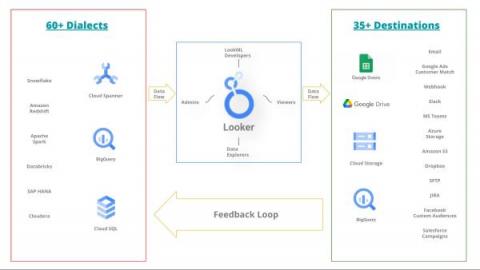
Many organizations struggle to create data-driven cultures where each employee is empowered to make decisions based on data. This is especially true for enterprises with a variety of systems and tools in use across different teams. If you are a leader, manager, or executive focused on how your team can leverage Google's SRE practices or wider DevOps practices, definitely you are in the right place!